

A Guide to Streamlining Professional Property Management Processes is a comprehensive resource that provides an in-depth look at how to increase efficiency and reduce costs in the property management industry. It covers a variety of topics, including best practices for leasing and maintenance, financial management, customer service, and risk management. It also guides how to use technology to streamline processes and improve communication between tenants and landlords. This guide provides a valuable resource for property managers who are looking to optimize their operations and increase profits.
Increasing Productivity by Utilizing Technology
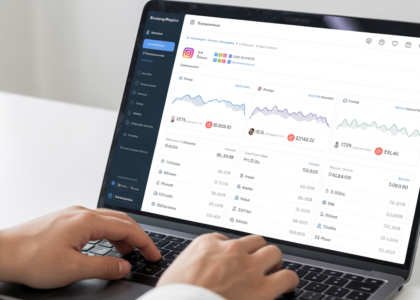
Technology is another key tool in streamlining professional property management processes. By streamlining the processes associated with professional property management, businesses can increase productivity and efficiency. Automating processes with cloud-based solutions, such as online rental applications, automated rent collection, and maintenance tracking software, can help streamline the property management process. Additionally, using digital marketing tools such as social media, website design, and email marketing can help build relationships with current and prospective tenants. Technology can also help increase productivity by allowing for remote access to property information, allowing for faster decision-making and communication between managers, tenants, and vendors.

Establishing & Maintaining a Reliable Record-Keeping System
A reliable record-keeping system is essential for streamlining professional property management processes. Having a reliable record-keeping system is an essential element of professional property management. The property manager needs to establish an effective system for organizing and tracking important documents, such as leases, contracts, invoices, service requests, and other relevant information. This will help streamline the property management process by ensuring that all of the necessary information is easily accessible, organized, and up-to-date. For example, it would be helpful to have a separate file for leases and contracts, as well as a separate file for invoices, service requests, and other documents. The property manager should also create a system for tracking the status of each document.
Streamlining the Tenant Screening Process
Tenant screening is an important part of the property management process, as it helps to ensure that landlords can select tenants who are reliable and trustworthy. Finding the right tenants to occupy rental properties can be a tedious process. Property managers must verify the tenants’ income, credit score, and background, as well as ensure their rental history is satisfactory. Finding qualified tenants is critical to protect the property and renters alike, but the screening process can be time-consuming.
Fortunately, streamlining the tenant screening process is possible. One way to do this is to create a detailed application form and ensure potential tenants fill out all the necessary information. This not only saves time, but also allows property managers to easily review and compare applicants. Additionally, property managers should consider using a third-party tenant screening service for thorough background checks. These services can quickly review a tenant’s credit report, criminal history, and rental history, which helps ensure the property is secure.
Property managers should also consider implementing a tenant selection system to help streamline the process. This system allows property managers to easily compare applicants and find the best fit for their rental property. The system should include criteria such as income, credit score, and rental history, as these are all important factors when selecting tenants.
Improving Communication Between Landlords & Tenants
Improving communication between landlords and tenants is essential for streamlining professional property management processes. Communication between landlords and tenants is essential to the success of any professional property management process. Good communication also helps to foster a positive and productive relationship between the two parties. To ensure effective communication between landlords and tenants, it is important to first establish an open line of communication. This means that both parties need to be comfortable speaking openly and honestly to one another.
Additionally, landlords should provide tenants with an easily accessible means of contacting them, such as a phone number, email address, or website. This means that both landlords and tenants should be clear about their expectations for each other. This can include expectations for maintenance and repair requests, rent payments, and other issues that may arise. Establishing clear expectations will help to ensure that both parties are in agreement and can avoid misunderstandings that can lead to disputes.
Optimizing Financial Management of Rental Properties
Optimizing the financial management of rental properties is essential for streamlining professional property management processes. Financial management can be optimized by utilizing technology to automate tasks, such as rent collection and tenant screening, and by establishing and maintaining a reliable record-keeping system. Financial management can also be optimized by utilizing data and analytics to identify trends in rental income and expenses, as well as to develop and implement effective marketing strategies.
Developing & Implementing Effective Marketing Strategies
Developing and implementing effective marketing strategies is essential for streamlining professional property management processes. Effective marketing strategies can be developed by utilizing data and analytics to identify trends in rental income and expenses, as well as to optimize marketing campaigns. Effective marketing strategies can also be developed by utilizing technology to automate tasks, such as online advertising and email campaigns, and by leveraging the power of social media to reach potential tenants.
Conclusion
The implementation of streamlining professional property management processes can offer great benefits to property owners and managers. It can save time, money, and energy, allowing owners to better focus on the management of their properties. It can also help improve the overall efficiency of the business and reduce the amount of paperwork and paperwork-related tasks. By following the steps outlined in this guide, property management professionals can make the most of their time, energy, and resources to provide a better service to their clients.