
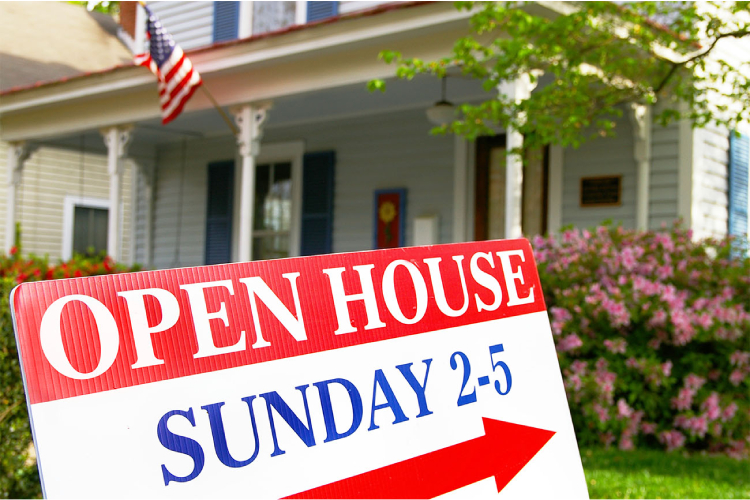
Open house flyers are an essential element in marketing a property and an effective one can make or break an event. A successful open house flyer should grab attention and entice potential buyers, helping to create buzz about the sale. Here are some best practices for crafting winning open house flyers that will drive up attendance and, potentially, bring about a successful sale.
Utilize Colors and Graphics to Create a Unique Visitor Experience
Using the right colors and graphics can create a truly unique experience for potential homebuyers attending an open house. If the property you’re hosting is a historic home, for instance, consider incorporating an image of the exterior into the design of the flyer. Or, if the house is a modern property, infuse a vibrant, contemporary color palate into your color choices for the flyer. With bold, eye-catching visuals and appropriate use of photos, descriptors, or graphics, viewers will be able to easily identify the style and character of the property. To ensure the open house flyers has continuity between the colors and graphics featured, maintain a consistent theme throughout all marketing materials.
Keep the Messaging Clear and to the Point
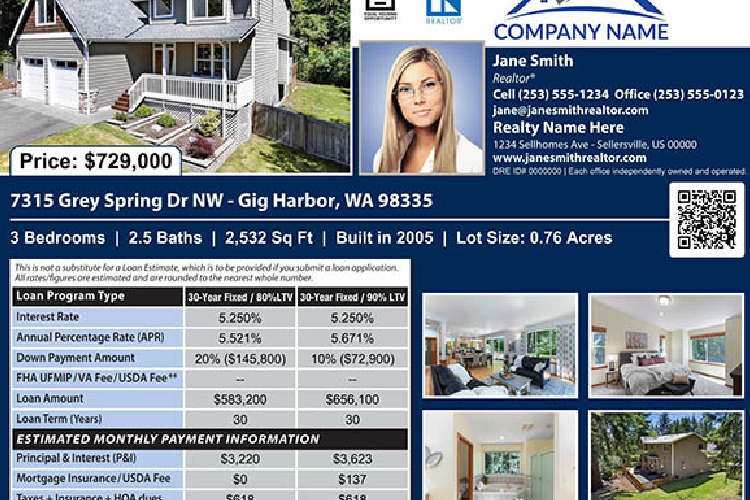
Clarity and brevity go hand in hand when it comes to crafting your messaging for an open house flyer. Potential visitors should be able to quickly understand the purpose of the flyer: providing intricate details on the residence, paramount features, and potential amenities, and showcasing why the residence is a great investment opportunity. Stick to the facts that are important for potential buyers to know and prioritize key details in your messaging. Special offers or upcoming events can set you and your property apart; just don’t forget to keep the message clear and concise.
In addition to showcasing the interior of the home, the flyer should also feature exterior shots of the house, if available. These photos should be crisp, well-lit, and high-resolution to represent the residence as accurately as possible. To draw further interest, include a virtual tour or floor plan of the property as part of the design. This will allow potential buyers to mentally walk through the house, familiarize themselves with the layout, and imagine how their personal belongings could fit in the home.
Choose Fonts and Layouts that Match Your Branding
As you create the design of your flyer, consider which colors, fonts, and layouts best represent the property and your brand. The layout of the flyer should be professional, yet easy to read. By selecting bold, legible typefaces, potential mobile and tablet users won’t have to strain to read any small text. The combination of fonts, sizes, and spacing should complement the visual feature and help guide the reader’s eye to key details. When done well, the right font and layout choices can portray a successful, unified message that viewers will be sure to remember.
Highlight Special Features and Benefits
When describing the details of the house, focus on those aspects that make the home unique. Give potential buyers an idea of what they can expect when visiting the open house, such as types of finishes, appliances, special touch-ups, and any other features that set the residence apart. This helps create an image that viewers can more easily visualize and understand when they visit the property. If the home is in a particularly popular location or within a highly sought-after school district, these are prime features that visitors should be made aware of in the flyer’s messaging, and any extras, like a swimming pool or gym, should also be noted.
Leverage Innovative Ways to Capture Visitor Information
In addition to giving visitors detailed information on the residence, the flyer should also provide a way for the hosting company to collect contact information from visitors to its open house. This can be done in a variety of ways, such as offering freebies or hosting a giveaway contest to draw more visitors. The flyer should offer ideas about how to get in touch with the listing agency, like providing an email address, phone number, and website URL. This convenient option also allows companies to quickly access contact information from potential home buyers and develop a targeted list of people for future events and campaigns.
Incorporate Local Neighborhood Amenities
In today’s market, potential home buyers value accessibility and amenities just as much as the actual property in question. With that in mind, be sure to describe the neighborhood as accurately as possible in your open house flyer. Include tidbits about the local community and neighborly details, like coffee shops, nearby parks, and other attractions that will add further appeal to the residence.
A professional editor should review your open house flyer to correct any errors or mishandled grammar and punctuation. A professional eye can also assist in streamlining the message and providing resources for quality images if needed. To ensure clarity and concise messaging, a skilled editor can be the deciding factor in ensuring your open house flyers have widespread appeal and that potential buyers can quickly access the necessary details from the flyer.
Keep Copies of the Flyer Accessible Throughout the Property
Make sure and always provide extra copies of the open house flyer throughout the residence. This gives visitors ample opportunity to review the flyer and take home details they might have forgotten or want to re-look over, as well as allows potential buyers to take a moment to review the property’s technical specs. If you develop a newsletter or other promotional literature, be sure to have a few copies available within the home for visitors to take with them and keep them up-to-date on your latest offers and events.
Take Advantage of Online Tools and Social Media to Spread the Word
Take your open house flyers digital. Leverage social networks and online tools to spread the word about your open house. Publish content about the residence and include a download link to the flyer on platforms like Instagram, Twitter, or Facebook. Additionally, On the day of the open house, be sure to upload photos of the interior and exterior of the residence and a description of the features.
By utilizing dedicated tools that allow you to track and measure how many customers have accessed and interacted with the flyer, you’re able to easily discern who your target audience is and see the impact the flyer is having. Additionally, Utilizing online tools and social media to reach a wider audience is key, and it’s always good to remember that an open house’s success is often determined by the marketing behind it.
Conclusion
The best practices for crafting winning open house flyers include investing in high-quality, attractive images and graphics, ensuring the flyer design is relevant to the open house, keeping the message concise and organized, and optimizing the use of colors and visuals to stand out from other flyers in the area. With the help of these tips, potential buyers will be attracted to your open house and more likely to show up, and your marketing efforts can gain the maximum return on investment.