

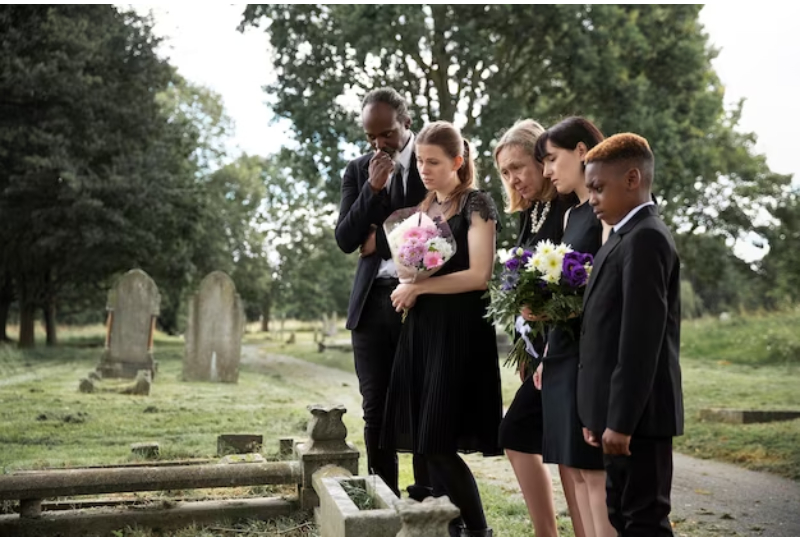
Protecting your wishes with direct cremation plans is an essential consideration in end-of-life preparations. Direct cremation is a simple and cost-effective alternative to traditional funeral services, offering individuals the opportunity to have their remains cremated without a formal funeral or viewing. In this comprehensive guide, we will explore the concept of direct cremation, its benefits, the steps involved in arranging it, the typical timeline for the process, legal requirements, and special considerations that can help ensure your wishes are respected and carried out as intended.
What Is Direct Cremation?
A direct cremation is a funeral option that involves the immediate cremation of a deceased person’s body without any formal funeral service beforehand. Unlike traditional funerals, there is no viewing or embalming involved in direct cremation new york. The body is typically cremated shortly after death, and the ashes can be returned to the family or scattered according to the deceased’s wishes. Direct cremation offers a more straightforward and cost-effective approach, making it an attractive choice for those who prefer a simpler end-of-life arrangement.
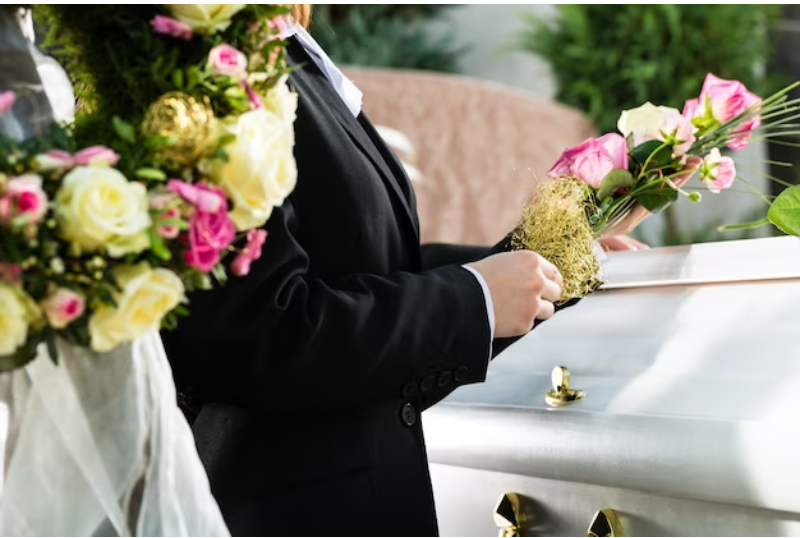
Benefits Of Direct Cremation
Direct cremation offers several benefits compared to traditional funeral services. Firstly, it is a cost-effective option, eliminating the need for expensive caskets, embalming, and elaborate ceremonies. Families can save significantly on funeral expenses. Secondly, it is environmentally friendly, as it reduces land usage and the use of chemicals involved in embalming. Thirdly, direct cremation provides flexibility in memorialization, allowing loved ones to hold personalized memorial services at a time and place convenient for them. Additionally, the process is quicker, providing closure faster during the grieving process. Overall, direct cremation offers a simpler, more affordable, and eco-conscious alternative to traditional burial options, making it an increasingly popular choice for end-of-life arrangements.
How To Arrange A Direct Cremation?
Arranging a direct cremation involves several key steps to ensure a smooth and respectful process. First, select a reputable cremation service provider and gather essential documents such as the death certificate and any required permits. Coordinate transportation of the deceased to the crematorium. Decide on the type of urn or container for the ashes. Next, schedule the cremation and any memorial service, if desired. Handle legal matters and notify relevant parties about the passing. Lastly, consider options for the final resting place of the ashes, whether it be scattering, burial, or keeping them in an urn. Approach the process with sensitivity and care, honoring the wishes and memory of your loved one throughout.
Steps For Completing A Direct Cremation
Once the arrangements are made, the funeral home or cremation service provider will take care of the practical aspects of the direct cremation process. This typically involves the transportation of the deceased to the crematory, where the body is prepared for cremation. The cremation itself is carried out in a specially designed chamber, and the process usually takes a few hours. After the cremation is complete, the ashes are collected and placed in the selected urn or container for return to the family.
Typical Timeline For A Direct Cremation
The timeline for a direct cremation is relatively short compared to traditional funeral services. In most cases, the cremation can take place within a day or two of the initial arrangements. However, the exact timeline may vary depending on factors such as the availability of the crematory and any additional services requested by the family. Once the cremation is complete, the family can proceed with their chosen memorial or scattering ceremony.
Legal Requirements Of Direct Cremations
There are certain legal requirements that must be met when opting for direct cremation. These requirements may vary depending on the state or country of residence. Generally, a death certificate must be obtained and filed with the appropriate authorities before the cremation can take place. If the deceased has expressed specific wishes regarding the handling of their remains, it is essential to have these instructions documented and shared with the funeral home or cremation service provider to ensure they are honored.
Special Considerations For Direct Cremations
While direct cremation offers simplicity and flexibility, there are special considerations to keep in mind. Firstly, if the family wishes to hold a memorial service, they should plan it separately from the cremation process. This allows for more personalized and meaningful gatherings without the time constraints associated with traditional funerals. Additionally, some religious and cultural beliefs may influence how direct cremations are approached, so it is crucial to respect and accommodate these considerations accordingly.
Conclusion
Protecting your wishes with direct cremation plans can provide peace of mind and alleviate the burden on your loved ones during challenging times. By understanding the concept of direct cremation, its benefits, and the steps involved in arranging it, you can make informed decisions that align with your preferences and values. Furthermore, being aware of the legal requirements and considering any special cultural or religious considerations ensures that your end-of-life arrangements are carried out according to your wishes. Ultimately, direct cremation offers a practical and dignified way to say goodbye, leaving cherished memories for your loved ones to hold onto while preserving the environment for future generations.