


Off-grid appliances play a crucial role in enhancing self-sufficiency by enabling individuals to meet their energy needs independently of traditional utility services. These appliances, such as solar panels, wind turbines, and off-grid water systems, allow users to generate their own electricity, heat, and water supply using renewable resources like sunlight and wind. By embracing off-grid technologies, individuals can reduce reliance on centralized infrastructure, which can be especially beneficial in remote or rural areas where access to utility services may be limited or unreliable.
Understanding Off-Grid Living: A Brief Introduction
Off-Grid Appliances refers to a lifestyle where individuals or households are entirely self-sufficient in terms of their energy and water needs, without relying on public utilities such as electricity grids or municipal water supplies. This way of life often involves harnessing renewable energy sources like solar, wind, or hydro power, as well as implementing water conservation and recycling techniques. Off-grid living promotes sustainability, independence, and a reduced ecological footprint. However, it comes with unique challenges and requires careful planning and investment in appropriate technologies.
What Does It Mean To Live Off-Grid?
Living Off-Grid Appliances means disconnecting from public utility services and generating your own power and water. It involves setting up an independent system to meet basic needs such as electricity, heating, cooling, cooking, and water supply. Off-grid homes typically use renewable energy sources like solar panels, wind turbines, or micro-hydro systems to generate electricity. Water is sourced from wells, rainwater collection systems, or nearby natural water bodies. Waste disposal and recycling are managed on-site, aiming for minimal impact on the environment.
Benefits And Challenges Of Off-Grid Living
The benefits of off-grid living are numerous. First and foremost, it fosters self-sufficiency and reduces dependence on centralized utilities, making households less vulnerable to disruptions such as power outages or water shortages. Off-grid living also promotes sustainability by utilizing renewable resources and reducing overall energy consumption. Moreover, it offers a unique opportunity to live in harmony with nature, enjoying a more secluded and peaceful lifestyle.
However, there are challenges associated with off-grid living. Initial setup costs can be significant, as it requires investment in renewable energy systems, water infrastructure, and off-grid appliances. Maintenance of these systems can also be more complex and may require specialized knowledge. Additionally, extreme weather conditions or geographic location can affect the efficiency of off-grid setups, requiring careful planning and adaptation.
Choosing The Right Off-Grid Appliances
When transitioning to off-grid living, selecting the right appliances is crucial for optimizing energy efficiency and meeting daily needs. Essential appliances for off-grid living include refrigerators, cooking appliances, lighting, water pumps, and heating/cooling systems. When choosing off-grid appliances, consider factors such as energy efficiency, power consumption, reliability, and suitability for renewable energy systems.
Solar-Powered Appliances: Harnessing The Sun’s Energy
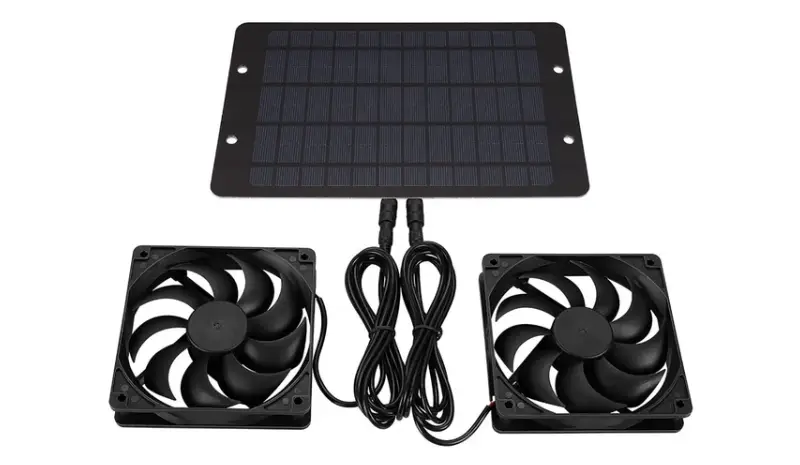
Solar-powered appliances are particularly well-suited for off-grid living due to the abundance of sunlight in most regions. Solar panels can generate electricity to power a wide range of appliances, from refrigerators and freezers to water pumps and lighting systems. The advantages of solar-powered appliances include clean energy production, silent operation, and low maintenance requirements. Modern solar refrigerators and ovens are designed to be highly efficient, using advanced insulation and energy-saving technologies.
Wind And Hydro Appliances: Utilizing Alternative Energy Sources
In addition to solar power, off-grid households can benefit from wind and hydro energy. Wind turbines and micro-hydro systems can generate electricity even in areas with variable sunlight. Wind turbines are ideal for windy locations, while micro-hydro systems can be installed in areas with running water such as streams or rivers. Appliances such as wind-powered water pumps or hydro-powered generators can supplement solar energy systems and enhance overall energy resilience.
Efficiency Tips: Maximizing Off-Grid Appliance Performance
To optimize energy use with off-grid appliances, consider implementing energy-saving practices such as using energy-efficient appliances, reducing standby power consumption, and adopting smart energy management systems. Regular maintenance of off-grid systems is essential to ensure optimal performance and longevity. Keep solar panels clean, check battery health regularly, and repair or replace components as needed to maximize efficiency and reliability.
Cooking Off The Grid: Stoves, Ovens, And Alternative Cooking Methods
Off-grid cooking requires efficient and reliable appliances. Options include propane or wood-fired stoves and ovens, which are suitable for off-grid setups. For a more sustainable approach, consider alternative cooking methods such as solar cookers, outdoor grills, or DIY rocket stoves. These methods harness renewable energy sources and reduce reliance on traditional fossil fuels.
Conclusion
Off-Grid Appliances offers a pathway to greater self-sufficiency and sustainability, but it requires careful planning and investment in appropriate technologies and appliances. Choosing the right off-grid appliances—whether solar, wind, or hydro-powered—can significantly enhance self-sufficiency and reduce environmental impact. By optimizing energy use and exploring alternative cooking methods, off-grid households can enjoy a more resilient and eco-friendly lifestyle, independent of centralized utilities. Off-grid living represents a unique opportunity to embrace sustainable living practices and reduce our ecological footprint for a more resilient future.