


Are you ready to take your network performance to the next level? Global Server Load Balancers are here to revolutionize the way we manage traffic across servers. In today’s fast-paced digital world, having a robust global load balancer strategy is crucial for ensuring seamless connectivity and optimal user experiences. Let’s dive into the world of Global Server Load Balancers and discover how they can supercharge your networking capabilities!
The Importance of Global Server Load Balancer
In today’s digital world, where businesses operate on a global scale, the importance of a Global Server Load Balancer cannot be overstated. Ensuring seamless and uninterrupted access to websites and applications is crucial for maintaining customer satisfaction and loyalty.
By distributing incoming network traffic across multiple servers worldwide, a Global Server Balancer plays a vital role in optimizing performance and enhancing user experience. It helps prevent server overload during peak times, minimizing downtime and latency issues.
Moreover, Global Load Balancers provide redundancy and failover capabilities, ensuring high availability of services even in the event of server failures or network disruptions. This level of reliability is essential for mission-critical applications that require constant uptime.
Investing in a robust Global Server Load Balancer strategy is not just about improving technical infrastructure; it’s about safeguarding your brand reputation and staying competitive in an increasingly interconnected digital landscape.
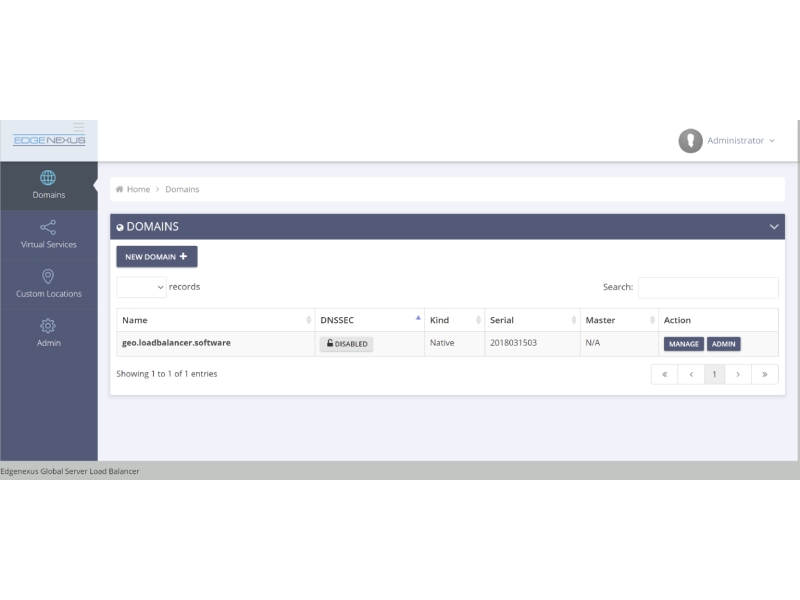
Types of Global Server Load Balancer Strategies
When it comes to Global Server Load Balancer strategies, there are several types that organizations can implement to enhance their networking performance.
One common strategy is the Round Robin method, where traffic is distributed evenly among servers in a rotation. This helps prevent overload on any single server and ensures optimal performance across the board.
Another popular approach is the Geographic-based routing strategy, which directs users to the closest server based on their geographical location. This minimizes latency and improves overall user experience.
Additionally, Weighted Load Balancing assigns different weights to servers based on their capacity and performance capabilities. This ensures that more powerful servers handle heavier loads while still distributing traffic effectively.
Active/Passive Failover strategy involves having standby servers ready to take over in case of primary server failure. This redundancy guarantees continuous uptime for critical applications.
Each of these Global Server Load Balancer strategies offers unique benefits and plays a crucial role in optimizing network performance for businesses worldwide.
Benefits of Implementing a Global Server Load Balancer Strategy
Implementing a Global Server Load Balancer strategy offers numerous benefits to organizations looking to enhance their networking performance. One key advantage is improved website reliability and uptime. By efficiently distributing incoming traffic across multiple servers, downtime due to server overload or maintenance can be significantly reduced.
Another benefit is enhanced user experience. With a Global Server Load Balancer in place, users can enjoy faster response times and seamless access to web applications regardless of geographical location. This not only improves customer satisfaction but also boosts brand reputation.
Moreover, implementing a Global Load Balancer strategy helps optimize resource utilization by evenly distributing workloads among servers. This leads to better scalability and cost-efficiency as organizations can make the most out of their existing infrastructure without compromising performance.
Additionally, increased security is another significant advantage of utilizing a Global Load Balancer. By effectively managing traffic flow and detecting potential threats in real-time, organizations can mitigate risks and safeguard sensitive data more effectively than before.
Best Practices for Setting up a Global Server Load Balancer
Setting up a Global Server Load Balancer (GSLB) requires careful planning and execution to ensure optimal performance and reliability. One best practice is to conduct a thorough analysis of your network infrastructure and traffic patterns before implementing GSLB. This will help in determining the most suitable load balancing algorithms for your specific needs.
Another important step is to configure health checks for all backend servers to automatically detect any failures or issues. Regular monitoring and maintenance are essential to keep the GSLB system running smoothly. It’s also recommended to set up failover mechanisms to redirect traffic in case of server failures or network disruptions.
Furthermore, distributing global traffic efficiently can be achieved by leveraging geolocation-based routing or proximity-based strategies. Implementing security measures like SSL offloading and DDoS protection can enhance the overall performance and security of your GSLB setup.
In addition, regular testing and updates are crucial for ensuring that the GSLB configuration remains effective and aligned with evolving business requirements. By following these best practices, you can optimize your global server load balancer for high-performance networking.
Case Studies: Companies Successfully Utilizing Global Server Load Balancers
Case studies provide real-world examples of how companies have effectively implemented global server load balancers to enhance their networking performance. One such case is Company X, a multinational corporation with offices worldwide. By deploying a global server load balancer, Company X was able to efficiently distribute incoming traffic across multiple servers, ensuring optimal uptime and responsiveness for users accessing their services.
Another success story comes from Startup Y, an emerging tech company experiencing rapid growth. With the implementation of a global server load balancer, Startup Y managed to scale its infrastructure seamlessly as user demand increased. This resulted in improved website loading times and overall customer satisfaction.
Enterprise Z, a leading industry player known for its reliability and security measures, integrated a global load balancer into their data centers. This decision not only enhanced their network performance but also strengthened their resilience against potential downtime or cyber attacks.
These case studies showcase the diverse ways in which companies can leverage global server load balancing technology to achieve high-performance networking solutions tailored to their specific needs and goals.
Future Trends and Advancements in Global Server Load Balancer Technology
As technology continues to evolve at a rapid pace, the future of Global Server Load Balancer (GSLB) technology looks promising. One of the emerging trends in GSLB is the integration of artificial intelligence and machine learning algorithms to optimize traffic distribution dynamically. These intelligent systems can adapt in real-time to changing network conditions, ensuring optimal performance and reliability.
Another advancement on the horizon is the increased focus on security features within GSLB solutions. With cyber threats becoming more sophisticated, GSLBs are incorporating advanced security protocols to protect against DDoS attacks and other malicious activities. This proactive approach helps safeguard critical infrastructure and data from potential breaches.
Furthermore, there is a growing emphasis on enhancing scalability and flexibility in GSLB technologies. Cloud-native architectures and microservices are being leveraged to enable seamless scaling across distributed environments efficiently. This agility allows organizations to meet evolving demands without compromising performance or availability.
As organizations continue to prioritize digital transformation initiatives, Global Server Load Balancers will play a crucial role in supporting high-performance networking capabilities for global operations.
Conclusion
As businesses continue to expand globally and rely more on digital infrastructure, the need for high-performance networking solutions like Global Load Balancers becomes increasingly crucial. By efficiently distributing network traffic across multiple servers worldwide, organizations can ensure optimal performance, availability, and reliability for their users.
Implementing a robust Global Server Load Balancer strategy not only enhances user experience but also safeguards against downtime and potential revenue loss due to server failures or overload. With various strategies available and best practices to follow, companies have the opportunity to optimize their network architecture for maximum efficiency.
Looking ahead, advancements in technology will likely further improve the capabilities of Global Load Balancers, offering even greater flexibility and scalability for businesses operating on a global scale. As organizations strive to deliver seamless digital experiences across borders, investing in advanced networking solutions like Global Server Load Balancers will be key to staying competitive in an increasingly interconnected world.
Resource Links
https://en.wikipedia.org/wiki/Load_balancing_(computing)
https://www.edgenexus.io/products/global-server-load-balancing/