

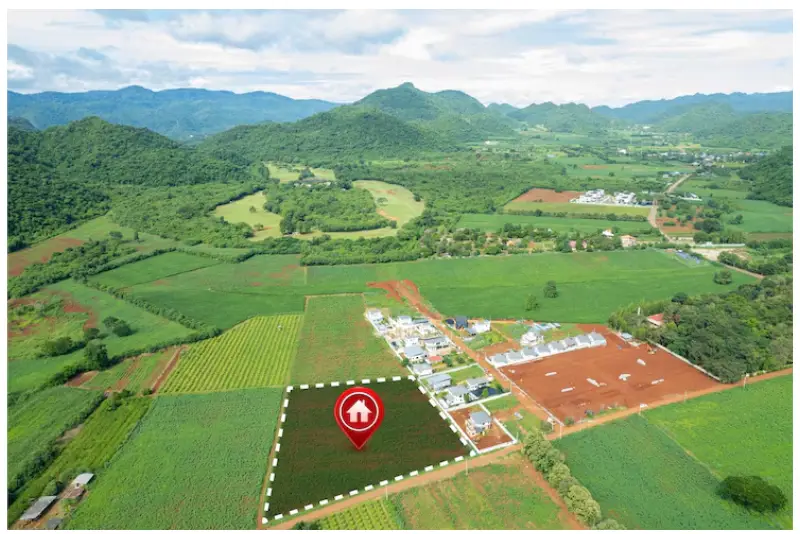
Sell vacant land can be a lucrative opportunity, but it requires careful planning and understanding of the process. Unlike selling a house, vacant land has unique challenges and factors to consider, such as its zoning regulations, market demand, and location-specific attributes. To maximize your profits and ensure a smooth transaction, it’s crucial to be well-informed about legal requirements, property preparation, and marketing strategies. Additionally, understanding the costs involved and choosing the right selling method will help you avoid common pitfalls. This guide provides essential insights to help you confidently navigate the steps involved in selling your vacant land successfully.
Understanding The Legal Process To Sell Vacant Land
The legal process of sell vacant land involves multiple steps that differ from selling developed properties. Start by verifying your ownership documents, including the deed and property title, to ensure no legal encumbrances. You’ll also need to understand local zoning laws, environmental regulations, and any easements or restrictions that may impact the sale. Consulting a real estate attorney can help clarify these details and draft contracts that protect your interests. Additionally, check if permits are required for potential buyers to develop the land. Completing these legal steps ensures a transparent and smooth transaction, reducing the risk of disputes.
Key Factors That Impact The Value When You Sell Vacant Land
Several factors influence the value of sell vacant land including its location, size, zoning, and accessibility. Proximity to major roads, utilities, or upcoming developments can significantly increase the property’s value. Zoning classifications, such as residential, commercial, or agricultural, dictate its potential uses and appeal to specific buyers. Soil quality, topography, and environmental conditions can also affect the value, especially for agricultural or construction purposes. Additionally, market conditions, such as demand and comparable land sales, play a vital role in determining price. Conducting a land appraisal and researching the local market are crucial steps to set a competitive yet realistic price.
How To Prepare Your Property Before You Sell Vacant Land?
Preparing your sell vacant land for sale is essential to attract buyers and secure a favorable price. Start by cleaning up the property, removing debris, overgrown vegetation, or other visual obstructions. Ensure the land’s boundaries are well-marked with accurate survey records to provide clarity to potential buyers. Highlight key features, such as utility connections, road access, or nearby amenities, to increase its appeal. Additionally, address any outstanding issues, like zoning compliance or environmental concerns, before listing the property. By presenting the land in its best condition and providing clear information, you can enhance buyer interest and streamline the sale process.
Common Mistakes To Avoid When You Sell Vacant Land
When sell vacant land, certain mistakes can delay the process or reduce your profits. Overpricing the land without understanding market trends often drives away potential buyers. Failing to research zoning restrictions, legal encumbrances, or easements can lead to disputes during negotiations. Skipping professional services, such as hiring a real estate agent or land appraiser, may result in undervaluing your property. Neglecting to market the land effectively can also limit its visibility to prospective buyers. Finally, rushing into a sale without verifying buyer credentials or completing legal documentation can create future liabilities. Avoiding these errors ensures a smoother, more successful sale.
Comparing Selling Options To Successfully Sell Vacant Land
When sell vacant land, you can choose from several options to maximize your sale. Traditional routes include working with a real estate agent who specializes in land sales or listing the property on multiple online platforms to reach a wider audience. Alternatively, you could sell the land directly to developers or investors interested in your property’s potential. Auctioning the land may be a faster option, but it requires accepting market-driven pricing. Each method has its pros and cons in terms of speed, cost, and buyer reach. Carefully evaluating your priorities will help you select the option that best suits your needs.
Tips For Marketing Your Property To Sell Vacant Land Faster
- Effective marketing is crucial to sell vacant land quickly and at a good price. Start by creating an appealing property listing with high-quality photos and detailed descriptions of the land’s features, such as zoning, access to utilities, and nearby amenities.
- Use online real estate platforms, local newspapers, and social media to increase visibility. Target your marketing efforts towards the right audience, such as developers, farmers, or homeowners, based on the land’s zoning.
- Offering flexible payment options, like seller financing, can also attract more buyers. Partnering with an experienced real estate agent ensures your property is marketed strategically and widely.
Understanding The Costs Involved When You Sell Vacant Land
Sell vacant land comes with various costs that need to be factored into your planning. These may include real estate agent commissions, which typically range from 5% to 10% of the sale price. Additionally, you might need to pay for land surveys, legal fees, and property appraisals. Marketing expenses, such as online listings or advertisements, can also add up. If the property has unpaid taxes or liens, those must be settled before the sale. In some cases, offering to cover closing costs for the buyer can make your land more attractive. Understanding these costs ensures you budget appropriately for the sale.
Conclusion
Sell vacant land requires careful planning, market research, and a clear understanding of the legal and financial aspects. By preparing your property, pricing it competitively, and choosing the right marketing strategies, you can attract the right buyers and achieve a successful sale. Avoiding common mistakes, such as overlooking legal requirements or failing to market effectively, will save you time and effort. Additionally, understanding the costs involved and evaluating various selling options will help you maximize your returns. With the right approach, you can confidently navigate the process and turn your vacant land into a profitable asset.
Resource URL: