


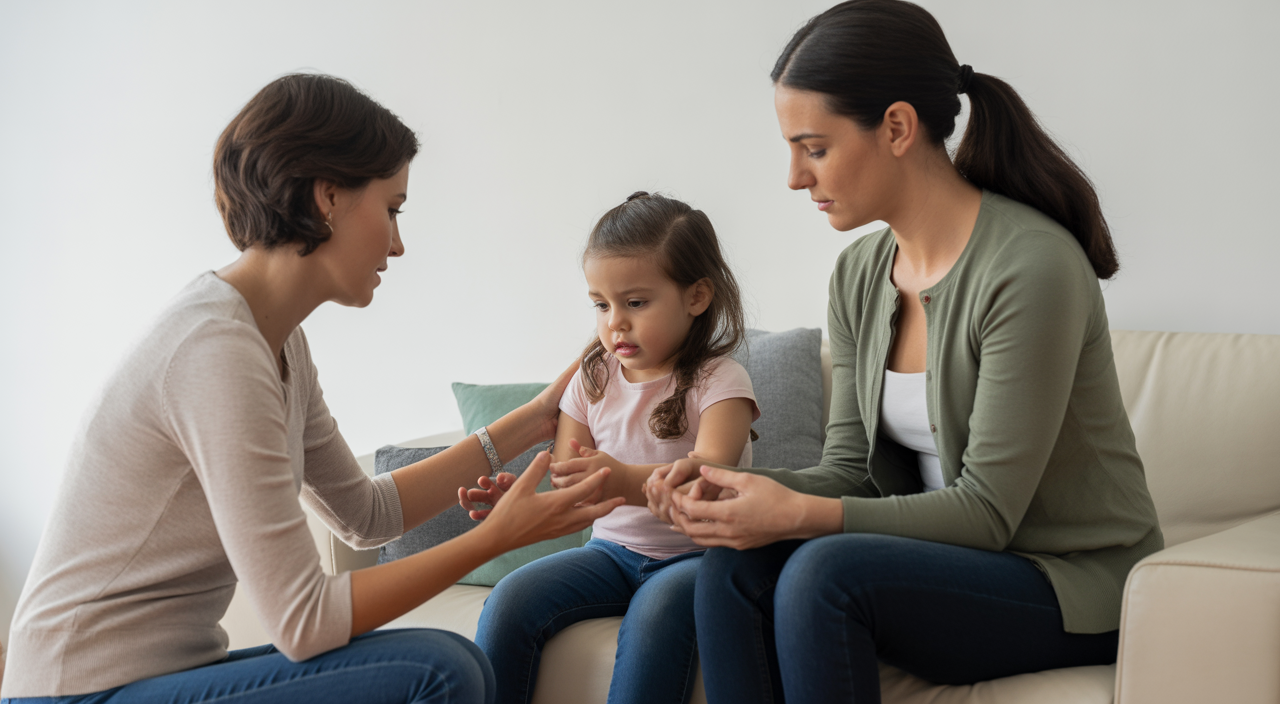
If your child has autism and you are exploring support options in Muscatine, you might be hearing a lot about in-home ABA therapy. ABA, or Applied Behavior Analysis, is a structured way of teaching skills and reducing challenging behaviors using small steps and rewards. With In home ABA therapy Muscatine, that support comes right to your living room, kitchen, or backyard instead of a clinic.
For many families, this home-based model feels more natural and less stressful. Your child is in a familiar space, daily routines are easier to include, and you spend less time traveling across town. This approach can be especially helpful for younger children or for kids who find new environments overwhelming.
As a parent or caregiver, you also stay closely involved. You get to watch sessions, ask questions, and learn strategies you can use even when the therapist is not there. Over time, that can give you a strong sense of confidence and control.
Why choose in-home ABA therapy in Muscatine?
Families in Muscatine often juggle work, school, and other responsibilities. In-home ABA respects that reality and fits therapy into your life more smoothly. Many parents find that it removes a big barrier to getting consistent support.
There is also a strong benefit in working on real-life challenges where they actually happen. If your child struggles during mealtime, the therapist can support you in your own kitchen. If getting ready for school is hard, they can practice that morning routine step by step at home.
In addition, in-home sessions make it easier to involve siblings, grandparents, or other caregivers. Everyone learns the same strategies and language, which helps your child get consistent responses from the whole family.
How does ABA work, in simple terms?
ABA focuses on how behavior is connected to what happens before it and what happens after it. Therapists look at triggers, the behavior itself, and the results that might be keeping that behavior going. Then they design small, clear steps to build positive skills.
Some common goals in Muscatine home-based ABA programs include communication, self-help skills, play and social skills, and reducing behaviors such as aggression or frequent tantrums. Each goal is broken into tiny parts so your child can succeed again and again.
Every success is followed by something your child finds rewarding. This might be praise, a favorite toy, a short break, or a fun activity. Over time, those positive experiences help new skills become habits.
What does a typical in-home ABA session look like?
While every child and program is different, most sessions follow a predictable rhythm. That structure helps your child feel secure and know what to expect.
Here is a simple example of a 2–3 hour session at home:
- Check-in with parents: The therapist reviews how the week went, any new concerns, and updates from school or other therapies.
- Warm-up time: A short, fun activity to help your child feel comfortable, such as a favorite game or toy.
- Skill building: Short learning segments focused on goals like requesting items, following instructions, or sharing toys.
- Natural play and routines: Practicing skills during snack time, getting dressed, or cleaning up, so learning connects directly to daily life.
- Parent coaching: The therapist models techniques, then supports you as you try them, giving feedback in a positive way.
- Wrap-up: A brief summary of what went well, what to practice before the next visit, and any small “home plan.”
Because sessions happen in your home, your child’s real environment, toys, and routines become part of the therapy. This makes it easier for skills to carry over into normal days, not just “therapy time.”
Key benefits of in-home ABA for Muscatine families
Parents across Muscatine often share similar reasons for choosing in-home autism behavior intervention. Some of the most common include:
- Convenience: Less driving, easier scheduling, and fewer missed sessions.
- Comfort: Children often feel safer and calmer at home, which can lead to better participation.
- Real-world practice: Skills are learned where they are needed most, such as at the dinner table or during homework time.
- Stronger parent training: You are not sitting in a waiting room; you are part of the process and learning tools you can use daily.
For investors and professionals viewing the autism space in India and beyond, this model also shows how personalized home services can add strong value. Just as some health and wellness services work better when delivered at home, so does child behavior therapy.
Who is involved in in-home ABA therapy?
A quality Muscatine in-home autism therapy team usually includes a board certified behavior analyst, or BCBA, and trained therapists. The BCBA designs the individualized behavior support plan and reviews your child’s progress regularly. They adjust goals and strategies based on data from each session.
Therapists, sometimes called behavior technicians, carry out the plan day to day. They work directly with your child, collect data, and give feedback to the BCBA. Parents and caregivers are treated as core members of the team, not bystanders.
For a more general view on how specialists improve outcomes in health-related fields, you can see this guide on working with medical and therapy specialists.
What about ABA therapy cost in Muscatine?
Cost depends on several factors, including your child’s recommended number of weekly hours, the experience level of the team, and your insurance coverage. In many cases, private insurance and government programs cover some or all ABA services when autism is diagnosed.
It is helpful to speak directly with a provider’s billing team. They can check your benefits, explain any co-pays or deductibles, and talk through payment options if needed. This open conversation early on can remove stress and help you plan with confidence.
Similar to planning for other important services or long-term goals, such as those discussed in this article on building a solid long-term plan, clear financial planning for therapy gives peace of mind.
How quickly can Muscatine families start?
Many parents ask how soon services can begin after a diagnosis. The exact timeline depends on provider availability, the time needed for assessment, and insurance approval. Some families can start within a few weeks, while others may wait a bit longer.
During this time, you can still take helpful steps. You can gather reports from your child’s doctor and school, note daily challenges and strengths, and think about priority goals such as communication, self-care, or play skills. Sharing this information with your ABA team helps them design a focused plan from day one.
Tips to get the most from in-home ABA in Muscatine
Once services begin, a few simple habits can boost results:
- Stay in regular contact with your team and share changes at school or home.
- Practice the strategies your therapist teaches, even for just a few minutes each day.
- Ask questions whenever something is not clear; your understanding is essential.
- Celebrate small wins with your child, such as a new word or smoother morning.
These steps help everyone stay aligned and focused on the same positive goals.
FAQs about in-home ABA therapy Muscatine
Q1: How is in-home ABA different from clinic-based ABA?
A: In a clinic, your child works in a controlled setting with specialized materials. With in-home ABA therapy Muscatine families see learning take place in the real spaces where life happens. Both models can be effective, but home-based care focuses strongly on everyday routines, family involvement, and generalizing skills to natural environments.
Q2: Is ABA only for young children?
A: ABA is often used with younger children for early intervention, but it can also support older children and teens. Goals may shift over time, from basic communication and play in early years to independence, social skills, and school success for older children. The approach stays the same: clear goals, small steps, and positive reinforcement.
Q3: What if my child has very challenging behaviors?
A: Many families look into autism home services Muscatine wide because of intense behaviors like frequent tantrums or aggression. A well-trained ABA team conducts a careful assessment to understand why behaviors occur and then creates a plan to teach safer, more positive ways for your child to get needs met. With patience, consistency, and support, meaningful change is possible.