

In the vast ecosystem of network infrastructure, the Global Server for Load Balancer stands out as a pivotal component, orchestrating the flow of internet traffic with finesse and efficiency. Its significance lies in its ability to distribute incoming requests across multiple servers, optimizing resource utilization and ensuring seamless user experiences. This comprehensive exploration delves into the intricate workings of the Global Server for Load Balancer, unraveling its complexities and shedding light on its indispensable role in modern networking architectures.
What's Inside The Global Server For Load Balancer?
At its core, the Global Server for Load Balancer comprises a sophisticated set of algorithms and protocols designed to intelligently manage incoming requests. Within its virtual walls reside various modules responsible for tasks such as health monitoring, traffic distribution, and dynamic scaling. Through meticulous coordination, these internal components collaborate to maintain optimal performance levels and mitigate potential bottlenecks, thereby upholding the reliability and responsiveness of the network infrastructure it serves.
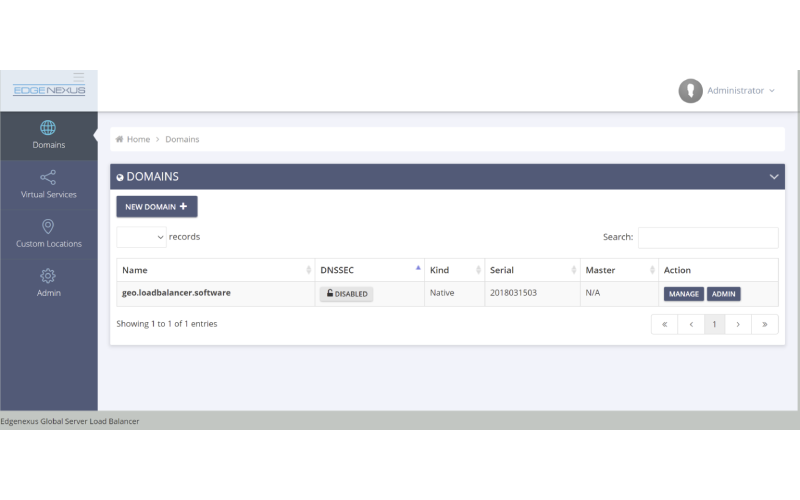
Understanding The Global Server For Load Balancer
To grasp the essence of the Global Server for Load Balancer, one must delve into its underlying principles and mechanisms. Fundamentally, it operates on the principle of distributing incoming traffic across a pool of backend servers, thereby preventing any single server from being overwhelmed by excessive requests. This distribution is guided by factors such as server health, capacity, and proximity to the end user, ensuring equitable resource allocation and minimizing latency. By harnessing the power of load balancing algorithms like round-robin, least connections, or weighted distribution, the Global Server for Load Balancer optimizes resource utilization and enhances the overall performance of the network infrastructure.
The Global Server For Load Balancer Explained
In essence, the Global Server for Load Balancer serves as a traffic cop on the digital highway, directing the flow of data packets with precision and agility. Its architecture embodies resilience and scalability, capable of adapting to fluctuating demands and evolving network conditions. Through a combination of proactive health checks, dynamic routing strategies, and failover mechanisms, it maintains continuous availability and fault tolerance, ensuring uninterrupted service delivery even in the face of adversity. By acting as a force multiplier for backend servers, it empowers organizations to scale their applications seamlessly and accommodate growing user bases without compromising on performance or reliability.
The Secret Of The Global Server For Load Balancer
The true secret behind the efficacy of the Global Server for Load Balancer lies in its ability to harmonize the seemingly chaotic landscape of internet traffic. Behind its unassuming facade lies a sophisticated orchestration engine fueled by real-time data insights and predictive analytics. By harnessing the power of machine learning and predictive modeling, it anticipates traffic patterns and adapts its routing decisions accordingly, preemptively steering clear of potential congestion points and optimizing end-to-end delivery. This proactive approach not only enhances user experiences but also empowers organizations to stay ahead of the curve in an increasingly competitive digital landscape.
All About The Global Server For Load Balancer
At its essence, the Global Server for Load Balancer embodies the ethos of efficiency, reliability, and scalability in the realm of network infrastructure. Its role as the busy bee of internet traffic management cannot be overstated, as it tirelessly juggles incoming requests with aplomb, ensuring equitable distribution and optimal resource utilization. Whether it's balancing the load across geographically dispersed data centers or intelligently routing traffic based on user-defined policies, it serves as the linchpin that holds together the fabric of modern digital experiences. By embracing the Global Server for Load Balancer, organizations can unlock new levels of agility, resilience, and performance in their quest to conquer the digital frontier.
The Busy Bee Of Internet Traffic Management
In the bustling landscape of cyberspace, the Global Server for Load Balancer emerges as the unsung hero, silently orchestrating the symphony of internet traffic with precision and grace. Like a diligent worker bee, it tirelessly navigates the virtual hive, ensuring that each request is met with a timely response and each server is utilized to its fullest potential. Through its meticulous workload distribution and intelligent routing strategies, it optimizes the flow of data packets, minimizing latency and maximizing throughput. In doing so, it lays the foundation for seamless digital experiences, enabling users to access applications and services with unparalleled speed and reliability.
How The Global Server For Load Balancer Shares Internet Traffic?
The art of traffic sharing lies at the heart of the Global Server for Load Balancer's functionality, as it endeavors to strike a delicate balance between performance, availability, and cost-effectiveness. Through a combination of load balancing algorithms, health monitoring mechanisms, and traffic shaping policies, it allocates incoming requests to backend servers in a manner that ensures optimal resource utilization and minimal response times. Whether it's employing simple round-robin techniques or sophisticated predictive routing algorithms, it leverages its arsenal of tools to adapt to changing network conditions and user demands. In essence, the Global Server for Load Balancer acts as a benevolent traffic conductor, orchestrating the flow of data with finesse and precision, ensuring that each packet reaches its destination safely and swiftly.
Conclusion
The Global Server for Load Balancer represents a cornerstone of modern network infrastructure, embodying the principles of efficiency, reliability, and scalability in the digital age. Through its intricate algorithms, proactive monitoring, and dynamic routing strategies, it enables organizations to navigate the complexities of internet traffic management with confidence and ease. As the digital landscape continues to evolve and grow ever more complex, the Global Server for Load Balancer stands as a beacon of stability and innovation, guiding the way forward towards a future where seamless connectivity and flawless user experiences are the norm rather than the exception.
