Finding ways to incorporate industrials waste recycling into your supply chain is a necessary step toward reducing pollution caused by industrial processes. Industrial waste recycling can help reduce the amount of resources and raw materials needed to create the products and services that you supply. Additionally, it can help increase the sustainability of your business by reducing your reliance on non-renewable resources. This article will explore the various ways that you can reduce industrial waste and incorporate industrial waste recycling into your supply chain. From understanding recycling methods and regulations to evaluating your current waste management practices, you will discover the strategies that you need to implement a successful industrial waste reduction and recycling program.
The Basics of Industrial Waste Recycling and Its Benefits
Industrial waste recycling is an important part of any company's supply chain. It involves the recovery and reuse of unwanted materials from production activities, product development and design, and even packaging. Recycling industrial waste benefits companies by reducing costs associated with the disposal of waste in landfills or other undesired disposal methods. Recycling or reusing materials can also reduce emissions and cut back on energy consumption. Benefits can also be realized through the reduction of hazardous materials, such as metals, pollutants, or solvents. In addition, recycling industrial waste can help to reduce the need for raw materials, which can further contribute to sustaining a more sustainable environment in the long term.

Identifying Potential Sources for Industrial Waste Recycling
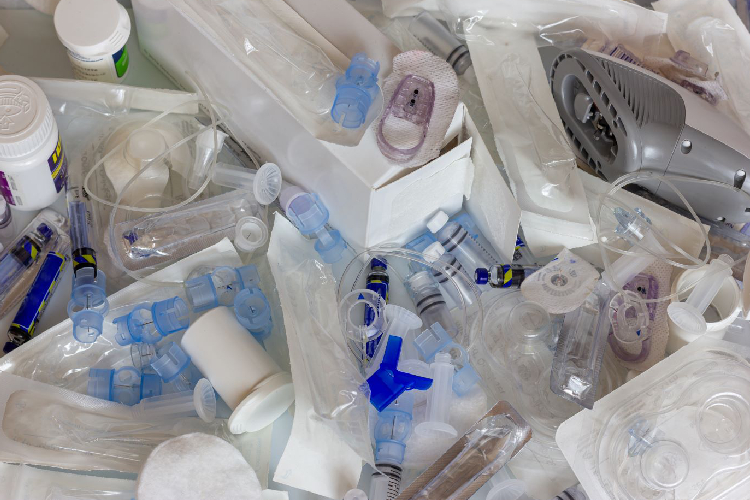
When embarking on a project to incorporate industrial waste recycling into your supply chain, one of the first steps is to identify which sources of waste are suitable for recycling. Industrial waste includes a variety of materials including metals, plastics, paper, glass, wood, electronics, and chemicals. Companies should also keep an eye out for other materials that may have potential for recycling, such as scrap automotive parts, medical equipment, and manufacturing waste. Finding sources of industrial waste recycling is not always a simple task, but with some effort, companies can identify the best sources available.
Implementing Strategies and Processes to Promote Industrial Waste Recycling
Once a company has identified potential sources for industrials waste recycling, it's important to develop strategies and processes that promote this activity. Establishing collection centers for industrial waste, as well as a recycling program for materials that are suitable for reuse, can help promote recycling and reuse activities. Additionally, it’s important to encourage employees to participate in the recycling program and understand the benefits of the program.
The Role of Local Government in Promoting Industrial Waste Recycling
Local governments are also important players in promoting industrial waste recycling. Many local governments have established waste reduction and reuse policies, as well as incentives for businesses to implement industrial waste recycling programs. Some of these incentives may include grants, subsidies, or tax credits. Local governments may also have specific environmental requirements that companies must adhere to when setting up a recycling program. Working with local governments to identify incentives and understand regulations can help companies get a head start on promoting industrial waste recycling.
Leveraging Technologies to Help Standardize Industrial Waste Recycling
Technology can also be an effective means of aiding the industrials waste recycling process. Technologies such as product identification systems, digital tracking systems, and virtual waste sorting are just a few examples of how companies can better organize and track their industrial waste. Technologies such as artificial intelligence and machine learning can be used to accurately classify industrial waste, as well as identify potential sources for reuse and recycling. By leveraging technology, companies can ensure that their industrial waste is processed and reused accurately and effectively.
Minimizing Waste and Encouraging Reuse and Recycling for Maximum Results
When it comes to industrial waste recycling, the goal should be to reduce waste and maximize reuse. Implementing processes and protocols that minimize waste can help maximize reuse and recycling potential. Companies can also set up systems to measure the amount of waste diverted and help anticipate potential needs for industrial waste recycling. Additionally, companies should strive to provide employees with education and training related to reducing and reusing materials wherever possible. Education can help employees understand the importance of minimizing waste and identify opportunities for reuse and recycling.
Understanding and Applying Regulatory Rules and Best Practices to Industrial Waste Recycling
When setting up an industrial waste recycling program, companies should pay close attention to local, state, and federal regulations and rules pertaining to recycling and reuse. Regulations and best practices can provide guidance and determine which waste materials are available for recycling, as well as outline requirements for handling and disposing of hazardous materials. Companies should also research any potential conflicts with existing laws or regulations, and ensure that all recycling activities are conducted in accordance with any applicable laws. Additionally, companies should develop effective measures to monitor and audit recycling activities to ensure compliance.
Conclusion
It is clear that industrial waste recycling can have a huge positive impact on businesses and their supply chains. By integrating waste recycling into their supply chain, companies can reduce costs, enhance sustainability, and create a healthier environment. When done correctly, industrial waste recycling can provide numerous benefits, from reducing raw material costs to helping companies achieve their sustainability goals. With all of these advantages and incentives, there's little reason not to consider implementing waste recycling into your business's operations.
