

Property management Vancouver is an important aspect of being a successful landlord. It requires knowledge of the laws, regulations, and best practices that all landlords must abide by. Having a good understanding of property management allows landlords to maximize their income and protect their investments. This article will provide an overview of the basics of property management, what landlords need to know, and how to get started.
Establishing & Enforcing Rules & Regulations
Property management Vancouver, it is important to establish and enforce rules and regulations for tenants. This includes outlining expectations for tenant behavior and providing written policies regarding noise, smoking, pets, guests, and any other rules that you feel are necessary. Establishing and enforcing rules is important to maintain order and ensure that tenants abide by the terms of the lease agreement. Additionally, it is important to have a system in place to address any tenant issues that arise.
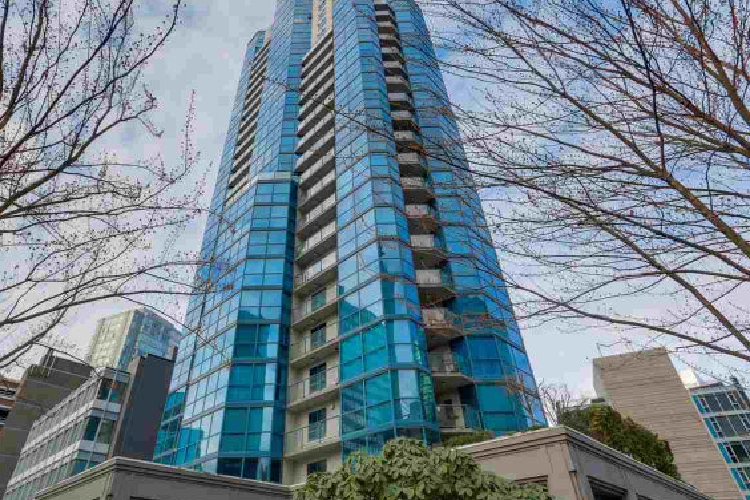
Keeping Up With Maintenance & Repairs
A crucial part of property management Vancouver is keeping up with maintenance and repairs. Landlords are responsible for keeping their rental property in a safe and habitable condition, and should regularly inspect their properties to ensure that all systems and appliances are working properly. Additionally, landlords should keep up with regular maintenance such as cleaning, painting, and other repairs to maintain the property’s condition.
Utilizing Technology & Automation
Technology and automation can help landlords save time and money when it comes to managing their rental properties. Automated systems such as online rent payment, automated tenant screening, and online maintenance requests can help landlords save time and streamline their processes. Additionally, landlords should consider using property management software as a way to track tenant information and manage their properties.
As a landlord, there are a number of things to consider when managing a property. One of the most important is utilizing technology and automation to streamline processes, save time and money, and improve communication with tenants. Automating these tasks can save landlords time, money, and headaches by making the processes more efficient and reducing the need for manual labor. Automation can also help landlords keep track of rental payments, maintenance requests, and tenant communication, and can be used to create reports and track trends.
Choosing The Right Property Manager
It is important to choose a property manager that is experienced and knowledgeable in the field. A good property manager should be familiar with local laws and regulations and should be able to handle all aspects of property management, including tenant screening, rent collection, and maintenance. Additionally, your property manager should be able to communicate effectively with tenants and should be able to provide helpful advice and guidance when necessary.
Understanding Tenant Screening & Background Checks
Tenant screening and background checks are an important part of property management. When screening tenants, landlords should consider factors such as credit history, rental history, and employment history in order to determine whether or not the tenant is a good fit. Additionally, landlords should be aware of their rights and responsibilities when it comes to tenant screening and background checks, and should always adhere to laws and regulations.
Collecting Rent & Late Fees
Collecting rent and late fees is another important aspect of property management. Landlords should establish a clear system for collecting rent and should always document all transactions. Additionally, landlords should be aware of the laws and regulations regarding late fees, and should always follow the guidelines. Every landlord needs to know about the importance of collecting rent and late fees in order to properly manage their property. Firstly, landlords should always have a written lease agreement in place that outlines the terms of the rental agreement, including when rent is due, late fees, and payment methods.
Dealing With Tenant Disputes & Evictions
Dealing with tenant disputes and evictions is an important part of property management. Landlords should be familiar with the laws and regulations regarding tenant disputes and evictions, and should always follow the guidelines. Additionally, landlords should have a system in place for resolving tenant disputes, such as mediation or arbitration. Additionally, landlords should have a clear process in place for dealing with evictions, and should always adhere to the laws and regulations. As a landlord, it is important to understand the legal process of tenants’ disputes and evictions. Understanding the legal process will help landlords to protect their rights, as well as the rights of their tenants.
When it comes to tenant disputes and evictions, the first step is to ensure that all the necessary legal documents are in order. This includes the lease agreement, security deposit agreement, and any other relevant paperwork. It is important to ensure that all the terms and conditions of the agreement are clear and that both parties understand the responsibilities and rights of each party. Once the documents are in order, landlords should always attempt to resolve any disputes between the tenant and landlord through negotiation before going to court.
Conclusion
In conclusion, property management is a complex and important task for any landlord. Property management can involve a wide range of responsibilities, from setting rental rates to collecting rent and dealing with tenant complaints. Landlords must be aware of their legal responsibilities, understand the rental market, and have the necessary skills to effectively manage their property. By understanding the basics of property management and having a plan in place, landlords can effectively manage their property and ensure that their tenants are happy and their investment is protected.
