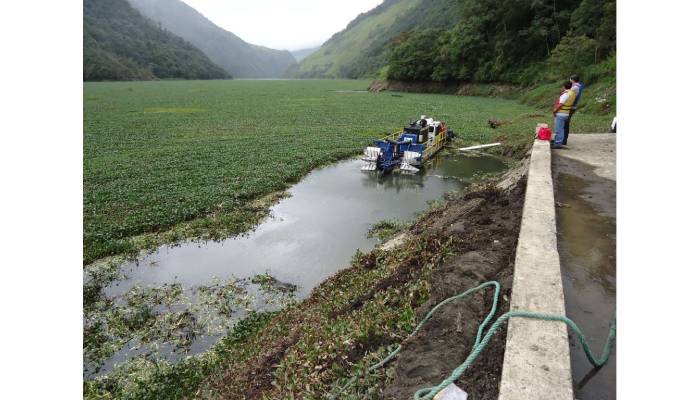
Have you ever noticed excessive plant growth in a lake, pond, or river? This overgrowth can cause problems, impacting water quality and recreational activities. Vegetation dredge is a process used to remove this unwanted vegetation, restoring the health and balance of aquatic ecosystems.
Vegetation dredge is the process of removing excess aquatic plants and accumulated sediments from bodies of water. This helps to improve water flow, reduce nutrient levels, and create a healthier environment for aquatic life. It's a bit like spring cleaning for lakes and rivers!
Why is this important? Think about it. Overgrown vegetation can block sunlight, leading to decreased oxygen levels in the water. This can harm fish and other aquatic organisms. Excess vegetation can also hinder boating, swimming, and fishing, impacting recreational use. Regular pond maintenance, including vegetation control, is key to a healthy ecosystem.

Understanding Vegetation Dredge
Vegetation dredge involves using specialized equipment to remove plants and sediment from the bottom of a body of water. This equipment can range from mechanical dredges to hydraulic dredges, each with its own advantages and disadvantages.
But how does it work? Here’s a simplified explanation. A dredge essentially acts like an underwater vacuum cleaner, sucking up the vegetation and sediment. This material is then transported to a designated disposal area. Some dredging methods separate the water from the solids, allowing the water to return to the body of water while the vegetation and sediment are disposed of properly.
There are several different techniques used in vegetation removal. Let's explore some of the most common ones:
- Mechanical Dredging: This method uses equipment like excavators or clamshells to scoop up the vegetation and sediment. It's often used in smaller areas or where precision is required.
- Hydraulic Dredging: This technique uses a suction system to remove the vegetation and sediment. It's ideal for larger areas and can move large volumes of material efficiently.
- Weed Harvesting: This involves cutting and removing vegetation from the water surface. It's a temporary solution, as the roots remain and the plants will often grow back.
Benefits of Vegetation Dredging
Vegetation dredge offers many advantages for the health and usability of water bodies. Beyond just removing unsightly overgrowth, it contributes to several key improvements:
- Improved Water Quality: Removing excess vegetation reduces the amount of decaying organic matter, which can deplete oxygen levels and release harmful nutrients.
- Enhanced Recreation: Clearing waterways makes them more accessible for boating, swimming, and fishing.
- Restored Ecosystems: Dredging can help to restore native plant and animal habitats by removing invasive species and creating a more balanced environment.
- Flood Control: Removing sediment and vegetation from waterways increases their capacity to handle stormwater runoff, reducing the risk of flooding.
Choosing the Right Dredging Method
Selecting the appropriate dredging method is essential for achieving the desired results while minimizing environmental impact. Several factors should be considered:
- Type of Vegetation: Different types of plants require different removal techniques.
- Size of the Area: Larger areas may require more efficient dredging methods.
- Water Depth: The depth of the water will influence the type of equipment that can be used.
- Environmental Concerns: It's important to choose a method that minimizes disturbance to the surrounding ecosystem.
It's always best to consult with experienced professionals to determine the most suitable dredging method for your specific needs.
Frequently Asked Questions (FAQs)
What are the environmental impacts of vegetation dredging?
While vegetation dredge provides many benefits, it's essential to be aware of potential environmental impacts. These can include sediment disturbance, habitat disruption, and the release of pollutants. However, these impacts can be minimized through careful planning, the use of best management practices, and adherence to environmental regulations.
How much does vegetation dredge cost?
The cost of vegetation dredge can vary depending on factors such as the size of the area, the type of vegetation, the dredging method used, and the disposal requirements. It's best to obtain quotes from multiple contractors to get an accurate estimate.
For commercial needs, consider the efficiency gains possible from equipment like rack shelving, which can speed up the overall project.

