
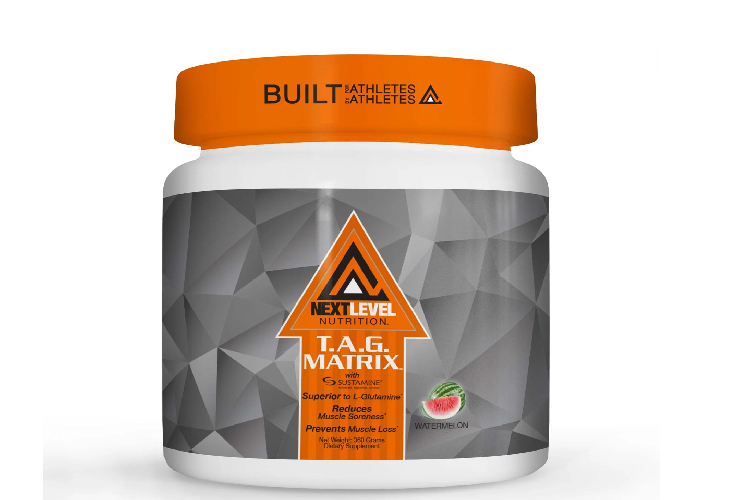
Protein is an essential part of a healthy diet and can be a powerful tool for improving your health and physical performance. Unlocking The Power Of Protein: Taking Your Next level nutrition is a comprehensive guide to understanding the role of protein in your diet and how to maximize its benefits. This book covers a wide range of topics, from the basics of protein nutrition to advanced strategies for maximizing your gains. It is an invaluable resource for anyone looking to make the most of their nutrition and reach their health and fitness goals. With the help of this book, you can unlock the potential of protein and take your nutrition to the next level.
Different Sources Of Protein
Protein is an essential macronutrient for the body and can be found in a variety of sources. Animal sources of protein include meat, poultry, fish, eggs, and dairy products. Plant-based sources of protein include legumes (beans, peas, and lentils), nuts, seeds, and certain grains such as quinoa and amaranth. Additionally, some plant-based protein sources are also sources of essential fatty acids, such as chia or flax seeds. Animal sources of protein are considered to be complete proteins, meaning they contain all nine essential amino acids, while plant-based sources of protein are considered to be incomplete proteins because they do not contain all nine essential amino acids. Therefore, it is important to combine different types of plant-based proteins in order to get all of the essential amino acids.
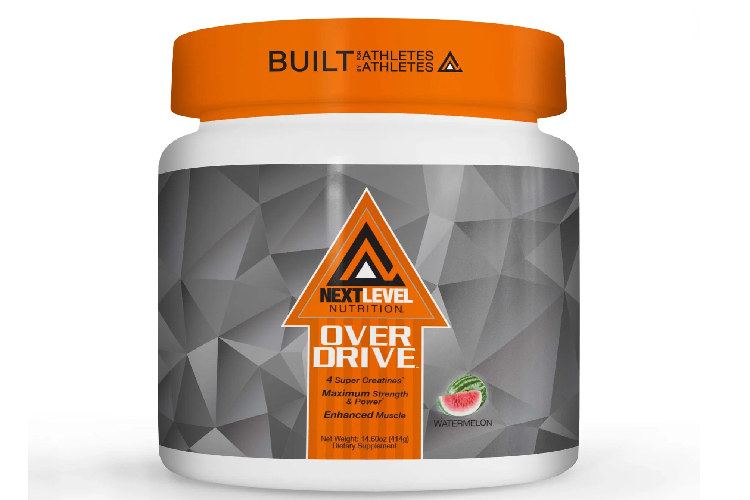
Next level nutrition is an innovative health and nutrition company that specializes in providing comprehensive and personalized nutrition programs to help individuals reach their health and fitness goals. We strive to provide our clients with the best nutrition information, tools, and support needed to achieve their optimal health.
How Much Protein Do You Need?
The recommended daily allowance of protein is 0.8 g per kilogram of body weight or approximately 0.36 g per pound of body weight. However, this amount can vary based on individual needs. For example, athletes and those who are physically active may need more protein than the average person. Additionally, other factors such as age, gender, and lifestyle can also affect how much protein is needed. It is important to talk to a doctor or nutritionist to determine the best amount of protein for your individual needs.
How To Maximize Protein Intake?
Maximizing protein intake can be achieved by eating a variety of protein-rich foods throughout the day. It is important to choose a variety of proteins that are both complete and incomplete proteins, as well as different sources of plant-based proteins. Additionally, it is important to include protein in every meal and snack throughout the day, as well as incorporate protein-rich snacks in between meals. This will help to ensure that you are getting enough protein throughout the day to meet your individual needs.
Protein And Muscle Building
Protein plays an important role in muscle building and maintenance. It provides the building blocks for muscle growth and repair and is essential for muscle development and maintenance. Additionally, protein helps to increase muscle mass and strength, as well as improve muscle recovery after exercise. Therefore, it is important for those who are looking to build muscle to consume enough protein throughout the day to meet their individual needs.
Protein And Metabolism
It is also important for metabolism. Protein helps to increase the body’s metabolism, as well as maintain a healthy weight. It helps to keep you fuller longer, which can help to prevent overeating and can contribute to weight loss. Additionally, protein helps to maintain muscle mass, which helps to increase the body’s resting metabolic rate. Therefore, it is important to consume enough protein throughout the day to meet your individual needs.
Protein And Exercise Performance
Additionally, protein helps to increase strength and power, as well as improve endurance and stamina. Therefore, it is important to consume enough protein before and after exercise to meet your individual needs. It is important to consume enough protein throughout the day to meet your individual needs, as well as combine different types of protein sources to get all of the essential amino acids. Protein is important for muscle building, metabolism, and exercise performance, and can help to increase muscle mass, strength, and endurance. Therefore, it is important to maximize protein intake to ensure that you are getting the most out of your nutrition.
Conclusion
In conclusion, Unlocking The Power Of Protein: Taking Your Nutrition To The Next Level provides an in-depth look at the importance of protein for overall health and well-being. It explains how and why protein works, how to incorporate it into a healthy diet, and how to get the most out of its benefits. With its easy-to-follow advice and helpful tips, Unlocking The Power Of Protein is an invaluable resource for anyone looking to take their nutrition to the next level.