

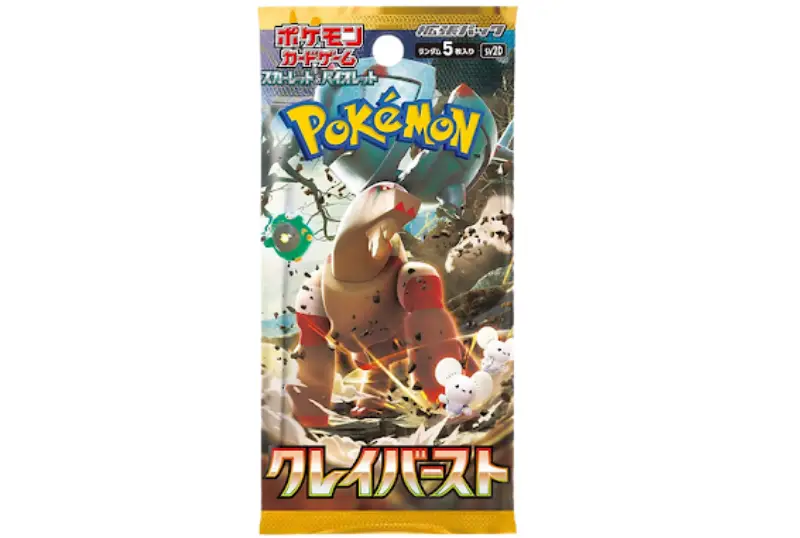
Japanese Pokémon cards have become highly sought-after investments due to several compelling reasons. First and foremost, the cards often feature early prints and exclusive content not available in their English counterparts. Collectors and investors recognize these unique aspects as a mark of exclusivity, which drives up demand. Additionally, the craftsmanship and attention to detail in Japanese Pokémon cards contribute to their appeal. The Japanese Pokémon card market benefits from a strong collector culture in Japan, which further enhances their value. As the Pokémon franchise continues to grow, the rarity and historical significance of these cards only bolster their investment potential. Consequently, Japanese Pokémon cards have established themselves as valuable commodities in both personal collections and financial portfolios.
The Rarity Of Japanese Pokémon Cards And Their Impact On Value
The rarity of Japanese Pokémon cards plays a pivotal role in determining their value. Unlike their English counterparts, Japanese cards often have limited print runs and special editions that are not widely available. This scarcity creates a sense of exclusivity and drives up demand among collectors. Rare cards, such as those featuring unique artwork or special holographic effects, are especially coveted. As fewer cards are available over time, their value tends to increase, making them valuable assets for collectors and investors. Additionally, historical context, such as the card’s release date and its significance in the Pokémon franchise, further impacts its rarity and overall value. The rarity of these cards not only elevates their status but also contributes to their impressive appreciation over time.
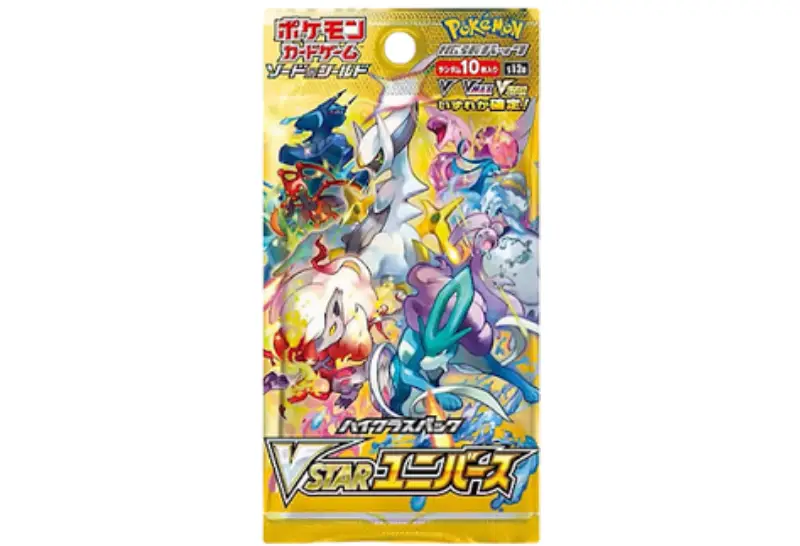
Unique Features That Set Japanese Pokémon Cards Apart
Japanese Pokémon cards are distinguished by several unique features that set them apart from their international counterparts. One of the most notable aspects is the card design, which often includes intricate artwork and unique holographic patterns that are exclusive to the Japanese releases. The Japanese versions of Pokémon cards also frequently showcase early-release Pokémon and promotional cards that were not initially available elsewhere. Additionally, the Japanese cards often include cultural references and artwork that resonate with the franchise’s origin. The inclusion of rare and limited-edition cards, such as those from special events or collaborations, adds another layer of uniqueness. Collectors and enthusiasts value these distinctive features for their rarity and the insight they provide into the Pokémon franchise’s evolution and cultural impact.
How Japanese Pokémon Cards Have Appreciated Over Time
The appreciation of Japanese Pokémon cards over time is a testament to their enduring popularity and investment value. Initially, these cards were primarily collected for personal enjoyment and nostalgia. However, as the Pokémon franchise gained global recognition, the value of these cards began to rise significantly. Factors contributing to this appreciation include the increasing rarity of early prints, the rise of the collector’s market, and the growing interest in Pokémon as a cultural phenomenon. Notable cards from early sets, promotional releases, and limited editions have seen substantial increases in value, making them highly desirable among collectors and investors. The consistent demand and the card’s historical significance have played crucial roles in their appreciation, highlighting their status as valuable assets in the trading card market.
Collecting Trends And Their Influence On Japanese Pokémon Cards
Collecting trends have had a significant influence on the value and popularity of Japanese Pokémon cards. Over the years, trends in the trading card community have shifted towards valuing rarity, historical significance, and condition of the cards. Collectors have increasingly sought out rare and limited-edition Japanese Pokémon cards, leading to a surge in their market value. Additionally, the rise of online trading platforms and auction sites has broadened access to these cards, increasing their visibility and demand. Collecting trends also reflect broader cultural phenomena, such as the nostalgia for the Pokémon franchise and the appreciation for high-quality artwork. These trends have contributed to the growing interest and investment potential of Japanese Pokémon cards, influencing their market dynamics and overall value.
Market Demand For Japanese Pokémon Cards In Global Auctions
The market demand for Japanese Pokémon cards in global auctions has surged in recent years, reflecting their increasing value and collector interest. High-profile auctions featuring rare Japanese Pokémon cards often attract significant attention from collectors and investors worldwide. These auctions provide a platform for showcasing the rarity and uniqueness of Japanese Pokémon cards, driving up their prices. The competitive nature of these auctions, combined with the growing global interest in Pokémon, has led to record-breaking sales and heightened demand. Collectors view these cards as valuable assets, and their presence in global auctions underscores their significance in the trading card market. The robust market demand highlights the appeal of Japanese Pokémon cards and their status as coveted collectibles.
The Role Of Limited Editions In Japanese Pokémon Card Investments
Limited editions play a crucial role in Japanese Pokémon card investments, significantly impacting their value and desirability. Limited-edition cards are often produced in small quantities, making them rare and highly sought after by collectors. These cards may include special releases, promotional items, or event-exclusive cards that are not widely available. The exclusivity of limited editions contributes to their high market value, as collectors are eager to acquire these rare items to complete their collections or invest in valuable assets. Additionally, the historical significance and unique artwork associated with limited editions further enhance their appeal. Investors recognize the potential for substantial returns on limited-edition cards, making them a key focus in the Japanese Pokémon card market.
Authenticity And Grading Of Japanese Pokémon Cards Explained
Authenticity and grading are essential aspects of the Japanese Pokémon card market, ensuring that collectors and investors can accurately assess the value of their cards. Authentication verifies the legitimacy of the card, confirming that it is an original Japanese release and not a counterfeit. Professional grading services evaluate the condition of the card, assigning a grade based on factors such as surface quality, centering, and edges. High-grade cards are valued more highly, as they are considered to be in better condition and more desirable to collectors. The grading process involves careful examination and expertise, providing a standardized assessment of a card’s value. Ensuring authenticity and proper grading is crucial for maintaining the integrity of the Japanese Pokémon card market and maximizing the value of these collectibles.
Conclusion
In conclusion, Japanese Pokémon cards have established themselves as valuable collectibles and investment assets due to their unique features, rarity, and historical significance. The distinctiveness of these cards, combined with their appreciation over time and the influence of collecting trends, has elevated their status in the trading card market. Limited editions and the authenticity and grading process further enhance their value, making them highly sought after by collectors and investors alike. As the Pokémon franchise continues to thrive, the demand for Japanese Pokémon cards is likely to remain strong, ensuring their place as treasured items in the world of collectibles.