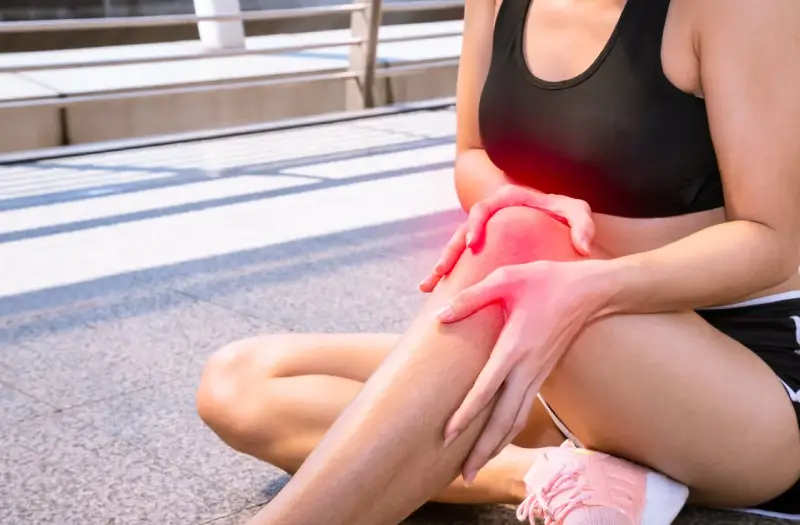
The gastrocnemius function, a key player in lower limb mobility, is essential for various movements and functions. As one of the major muscles in the calf, it works in tandem with the soleus muscle to enable the flexion of the foot and ankle. This muscle originates from the femur's posterior surface and attaches to the heel via the Achilles tendon. Its primary role is to facilitate plantarflexion, which is the movement of pointing the toes downward. This function is crucial for activities such as walking, running, and jumping, where efficient and powerful propulsion is necessary. Additionally, the gastrocnemius helps stabilize the knee joint during these movements, contributing to overall lower limb stability and mobility. Understanding its role in lower limb mobility helps in recognizing its importance in maintaining functional movement and preventing injuries.
Understanding Gastrocnemius Function In Walking And Running
The gastrocnemius muscle plays a critical role in both walking and running by contributing to the propulsion and stability of the lower limb. During walking, the gastrocnemius assists in pushing off the ground, enabling forward motion. As the heel lifts off the ground, the muscle contracts to facilitate plantarflexion, which helps propel the body forward. In running, the gastrocnemius's role becomes even more pronounced, as it provides the necessary force for explosive push-off and rapid acceleration. The muscle's ability to generate power and sustain repetitive contractions is essential for maintaining speed and efficiency. Moreover, the gastrocnemius aids in absorbing shock and reducing impact forces during each stride, which helps prevent overuse injuries. Understanding how the gastrocnemius functions during these activities highlights its importance in optimizing performance and ensuring lower limb health.
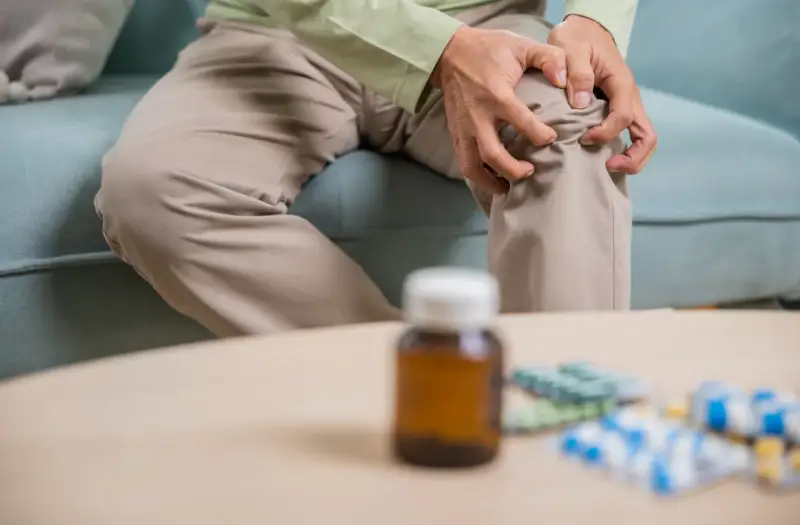
How Gastrocnemius Function Supports Lower Limb Mobility?
Gastrocnemius function is integral to lower limb mobility, influencing various aspects of movement and stability. By facilitating plantarflexion, the gastrocnemius allows for smooth and efficient transitions between different phases of movement, such as standing, walking, and running. This muscle's contraction contributes to the proper alignment and movement of the foot and ankle, which is essential for maintaining balance and coordination. Additionally, the gastrocnemius supports the knee joint by stabilizing it during dynamic activities, reducing the risk of injuries related to instability or improper alignment. The muscle's ability to adapt to different levels of activity and provide consistent support plays a significant role in overall lower limb function and mobility. Enhancing the gastrocnemius's strength and flexibility can lead to improved movement efficiency and reduced risk of injury.
The Role Of Gastrocnemius Function In Athletic Performance
Athletic performance heavily relies on the gastrocnemius muscle's function, particularly in sports that involve running, jumping, and rapid directional changes. The muscle's ability to generate forceful plantarflexion is crucial for explosive movements, such as sprinting and jumping. During these high-intensity activities, the gastrocnemius contributes to the powerful push-off needed for acceleration and vertical lift. Moreover, the muscle's endurance and strength are essential for maintaining performance over extended periods, as fatigue can impact overall efficiency and effectiveness. Athletes with well-developed gastrocnemius muscles often exhibit improved agility, speed, and power, which can significantly enhance their performance in various sports. Understanding and optimizing gastrocnemius function can lead to better athletic outcomes and reduced risk of performance-limiting injuries.
Gastrocnemius Function And Its Impact On Balance
The gastrocnemius muscle plays a significant role in maintaining balance and stability, particularly during dynamic movements and weight-bearing activities. By contributing to plantarflexion, the gastrocnemius helps control the positioning of the foot and ankle, which is crucial for maintaining an upright posture and preventing falls. During activities that require balance, such as standing on one leg or navigating uneven surfaces, the gastrocnemius works in conjunction with other lower limb muscles to provide support and stability. Additionally, the muscle's role in absorbing impact forces and stabilizing the knee joint further contributes to overall balance and coordination. Effective balance is essential for everyday activities and athletic performance, making the gastrocnemius a key player in preventing falls and enhancing stability.
Gastrocnemius Function: Essential For Effective Jumping
Effective jumping relies heavily on the function of the gastrocnemius muscle, which contributes to the explosive power needed for vertical lift. During a jump, the gastrocnemius contracts forcefully to facilitate plantarflexion, allowing the athlete to push off the ground with maximum force. This powerful push-off is essential for achieving the desired height and distance in a jump. The muscle's ability to generate rapid and sustained contractions also plays a role in the take-off phase, where explosive strength is crucial. Furthermore, the gastrocnemius helps stabilize the ankle and knee joints during the landing phase, reducing the risk of injury and ensuring a controlled descent. Enhancing gastrocnemius function can lead to improved jumping performance and greater overall athletic capability.
Gastrocnemius Function And Injury Prevention In The Lower Leg
The gastrocnemius muscle is crucial for injury prevention in the lower leg due to its role in providing stability and absorbing impact forces. By facilitating plantarflexion and supporting the knee joint, the gastrocnemius helps distribute forces evenly during dynamic activities, reducing the risk of overuse injuries and strains. Proper functioning of the muscle also contributes to the overall alignment and mechanics of the lower limb, which is essential for preventing injuries related to improper movement patterns. Strengthening and stretching the gastrocnemius can help maintain its flexibility and endurance, further reducing the risk of injuries such as Achilles tendonitis and calf strains. Understanding and addressing the muscle's function can play a significant role in promoting lower leg health and preventing common injuries.
How To Enhance Gastrocnemius Function For Better Mobility?
Enhancing gastrocnemius function involves a combination of strength training, stretching, and functional exercises designed to improve the muscle's performance and mobility. Strength training exercises, such as calf raises and seated calf presses, can help build the muscle's strength and endurance, contributing to better overall lower limb function. Stretching exercises, such as standing calf stretches and foam rolling, can improve flexibility and reduce muscle tightness, which is essential for maintaining a full range of motion. Functional exercises, such as jumping drills and agility training, can help improve the muscle's responsiveness and coordination during dynamic activities. Incorporating these strategies into a regular fitness routine can lead to improved gastrocnemius function, enhanced mobility, and reduced risk of injury.
Conclusión
The gastrocnemius muscle plays a pivotal role in lower limb mobility, athletic performance, and injury prevention. Its functions, including facilitating plantarflexion, supporting balance, and contributing to effective jumping, underscore its importance in everyday activities and athletic endeavors. Understanding and optimizing gastrocnemius function can lead to improved movement efficiency, enhanced performance, and reduced risk of injury. By incorporating targeted exercises and stretching routines, individuals can enhance the muscle's strength and flexibility, promoting overall lower limb health and functionality. Recognizing the significance of gastrocnemius and addressing its needs can contribute to better physical performance and a reduced likelihood of injury.
Resource URL:
https://greenandnatural.org/blog/gastrocnemius-muscle-anatomy-function/