


What is an EPR Certificate for Plastic Waste and Why Does It Matter?
An EPR certificate is an official approval that shows your business follows plastic waste management rules under the Extended Producer Responsibility framework. In simple words, if you manufacture, import, or sell plastic products or plastic packaging, you are responsible for what happens to that plastic after use. Getting an epr certificate for plastic waste proves that you take this responsibility seriously and meet all legal requirements.
Across India and globally, laws around plastic waste are becoming stricter every year. Authorities want producers to design better packaging, reduce waste, and support recycling. If you handle this early, you avoid stress later and gain a strong reputation as a responsible brand.
For Indian investors and business owners, the certificate is not just a formality. It supports long-term growth, smoother supply chains, and better chances of working with large retailers and export partners who prefer compliant suppliers.
Key Benefits of an EPR Certificate for Plastic Waste
Getting your EPR authorisation brings several clear advantages that go beyond basic compliance.
- Regulatory compliance: You meet central and state plastic waste rules and avoid unexpected notices or penalties.
- Stronger brand image: Customers and investors increasingly prefer eco-friendly companies, especially in urban Indian markets.
- Lower waste handling costs: Planned collection and recycling often work out cheaper than ad-hoc disposal over time.
- Competitive edge: Many tenders, marketplaces, and export buyers now ask for proof of EPR compliance.
- Long-term savings: Better packaging design reduces material use, saves transport costs, and cuts waste.
For example, a company that invests in lightweight recyclable packaging can reduce both raw material and logistics expenses while easily meeting its EPR targets.
Documents You Need Before Applying
Before starting the application, keep your paperwork organised. This helps you avoid delays and queries from the authorities.
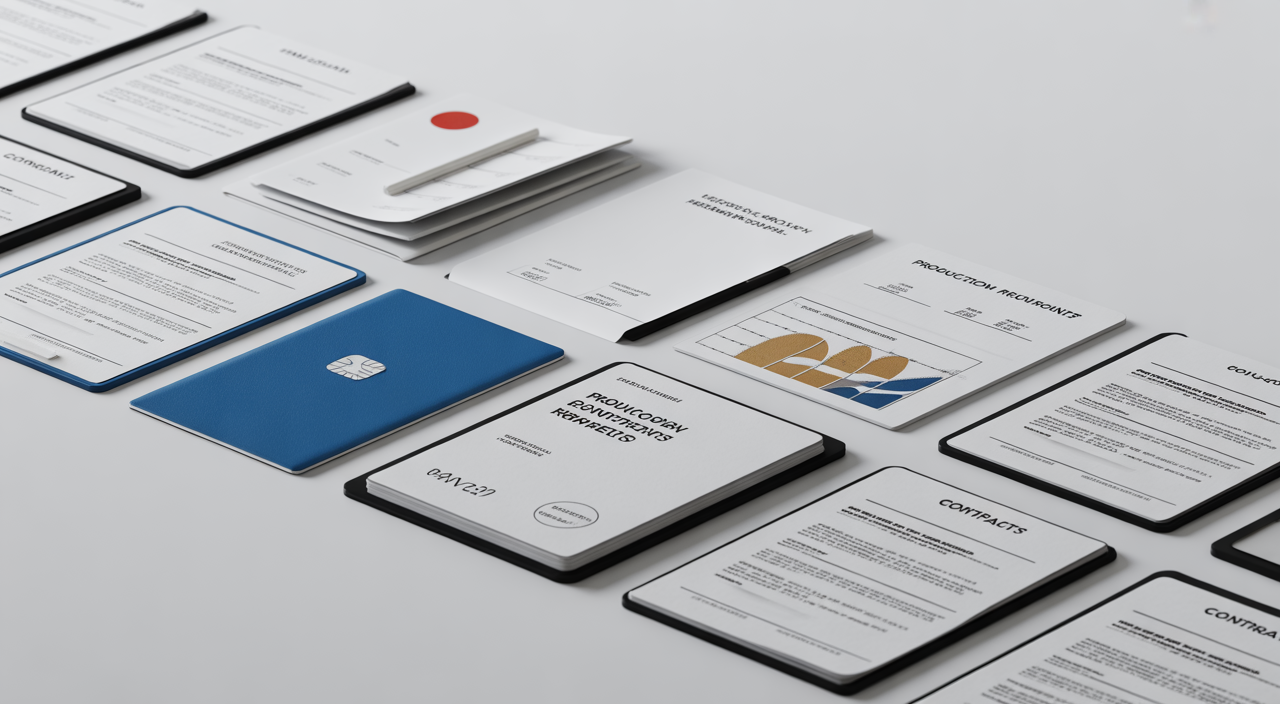
Mandatory documents:
- Company PAN and GST registration certificates
- Details of plastic products or packaging you manufacture, import, or use
- Monthly or annual production and sales volume statements
- Copies of any current waste collection, disposal, or recycling contracts
- Audited financial statements, usually for the last financial year
Optional but highly useful documents:
- Company environmental or sustainability policy
- Past waste management or sustainability audit reports
- Any environmental management certifications
Having these documents ready also supports other business activities, from funding discussions to operational audits. If you are revisiting your wider compliance systems, resources on strengthening your overall business planning can also be useful.
Validity and Renewal of the Certificate
Typically, an EPR certificate for plastic waste is valid for one year from the date of issue. You should plan renewal at least 30 days before expiry so that there is no gap in your compliance status.
If your production volume or product mix changes significantly during the year, you may need to update your EPR plan and, in some cases, apply for an amendment. Keeping accurate records month by month makes this process quick and stress-free.
Step-by-Step Process to Get Your EPR Certificate
The exact portal and forms can vary between central and state authorities, but the overall process is similar across India.
- Collect documents: Gather all mandatory and optional documents in digital format, clearly named and scanned properly.
- Register on the portal: Sign up on the relevant pollution control board or centralised portal using your company details.
- Fill the application: Enter company information, product categories, plastic quantity, and proposed EPR plan for collection and recycling.
- Upload documents: Attach PAN, GST, product details, contracts, and financial data as required.
- Pay fees: Make the statutory fee payment online through the portal’s payment gateway.
- Respond to queries: Authorities may ask for clarifications or extra documents. Reply promptly to avoid delays.
- Receive certificate: Once approved, download your certificate and keep both soft and hard copies safely.
- Maintain records: Track your plastic usage, collection, and recycling every quarter or year, as mandated.
Businesses that already use structured data and tracking tools for operations find this step much easier. Insights from building recycling into your supply chain can also help you design a practical EPR strategy.
Common Mistakes to Avoid
Many applications get delayed or rejected for simple reasons. Avoid these common errors:
- Submitting incomplete or inconsistent production and sales data
- Uploading expired PAN, GST, or other registration documents
- Waiting till the last week to apply for renewal
- Not updating the portal when you introduce new product lines or packaging types
- Assuming all states follow the same rules instead of checking local guidelines
A short internal checklist and one responsible team member for EPR compliance can prevent almost all these issues.
What Happens If You Ignore EPR Requirements?
While the focus should be on positive action, it is useful to know what you are avoiding by staying compliant. Authorities can charge financial penalties that may run from tens of thousands to several lakhs, depending on the scale and duration of non-compliance.
In more serious cases, they can also initiate legal proceedings or temporarily restrict operations. Non-compliance can also hurt your reputation with investors, lenders, and large buyers who review compliance history carefully.
Retailers, e-commerce platforms, and logistics partners increasingly prefer to work only with producers who hold a valid EPR certificate for plastic waste, so ignoring it can also slow your growth.
Typical Costs Involved
The overall cost of getting the certificate depends on your business scale, use of consultants, and the level of audits you choose.
- Government application fee: Around INR 5,000 to 15,000 per year
- Service charges for agencies or consultants: Around INR 8,000 to 20,000 per application
- Optional compliance or sustainability audits: Around INR 10,000 to 25,000
For most small and medium enterprises, this is a modest cost compared with the benefits in risk reduction, brand value, and smoother business relationships.
How ELT Corporate Pvt. Ltd. Supports Your EPR Journey
ELT Corporate Pvt. Ltd. offers end-to-end help for businesses that want a smooth and timely EPR approval. The team explains central and state requirements in simple terms, helps you prepare the right documents, and builds a clear EPR plan based on your actual plastic usage.
They also handle online filing, payment support, and follow-up with authorities, so your internal team can focus on business operations. After you receive the certificate, ELT can assist with annual reporting, renewal reminders, and audit support to keep your compliance strong year after year.
Conclusion
For Indian investors, manufacturers, importers, and brand owners, an EPR certificate for plastic waste is now a core part of doing responsible and future-ready business. It protects you from regulatory risk, strengthens your public image, and encourages smarter, more efficient use of plastic in your supply chain.
By gathering the right documents, following the step-by-step process, and avoiding common mistakes, you can secure and renew your certificate with confidence. Partnering with experts like ELT Corporate Pvt. Ltd. makes the journey even smoother and gives you the comfort that your compliance is under control.
FAQs
Q1: What exactly is an EPR certificate for plastic waste?
A1: It is an official approval issued by the competent authority confirming that a producer, importer, or brand owner meets plastic waste management rules under the Extended Producer Responsibility framework.
Q2: How long is the EPR certificate valid?
A2: In most cases, the certificate is valid for one year. You should apply for renewal at least 30 days before the expiry date to avoid any gap in compliance.
Q3: Can I complete the EPR application fully online?
A3: Yes, most authorities provide online portals for registration, document upload, and fee payment. You can also take support from licensed consultants or agencies for a smoother process.
Q4: What should I do if my plastic production volume changes after getting the certificate?
A4: You should update your records, inform the concerned authority through the portal or official communication, and, if required, modify your EPR plan or apply for an amendment.
Q5: Is EPR only for large manufacturers?
A5: No, EPR rules apply to many categories of producers, importers, and brand owners, including small and medium businesses that place plastic packaging or products on the market.