Encouraging participation in radiology patient engagement programs is vital to promoting a more patient-centered approach to healthcare. It's a means of empowering patients to take control of their health journey and become more actively involved in their care. These programs provide a platform for patients to interact with healthcare professionals and learn more about their medical conditions, diagnostic imaging procedures, and treatment options. Patient engagement programs also offer patients a forum to share their experiences, ask questions, and provide feedback, thus improving communication and strengthening the relationship between patients and healthcare professionals. Despite the numerous benefits of the program, participation in radiology patient engagement programs may not be uniform among all patients, due to various factors such as language barriers, financial constraints, cultural differences, and lack of awareness. Thus, healthcare providers play a crucial role in encouraging participation by educating patients and easing barriers to participation.
Understanding The Importance Of Radiology Patient Engagement In Healthcare
Radiology Patient Engagement is vital in healthcare because it provides a means for patients to be actively involved in their diagnosis and treatment which results in a better health outcomes. It is a system where patients are educated about their diagnoses, results, and care plan while receiving constant feedback from the healthcare provider. Patient participation and involvement in radiology help increase the accuracy of diagnostic imaging and reduce errors. Moreover, it allows patients to be at the center of the diagnostic imaging process, giving them a sense of ownership and control over their healthcare journey.
The Benefits Of Patient Engagement Programs For Radiology Patients
Patient engagement programs provide numerous benefits, including improved care experiences, higher patient satisfaction rates, and better health outcomes. It ensures that radiology patients have an in-depth knowledge of their diagnoses and are educated about their results. It improves treatment adherence and helps patients to achieve optimal health. Patient engagement programs also provide a platform for patients to ask questions, provide feedback, and raise concerns, helping to build a more trusting relationship between patients and healthcare providers.
Overcoming Barriers To Radiology Patient Engagement Programs
Numerous barriers can deter patients from participating in radiology patient engagement programs, including language and cultural barriers, financial constraints, and technology challenges for elderly patients. To overcome the barriers, healthcare providers must employ a patient-centered approach that includes education, cultural awareness, effective communication, and accessibility. Simplifying instruction manuals, translating materials to multiple languages, and selecting user-friendly technology can also assist in overcoming the barriers and encourage patients' participation in the program.
Developing Effective Strategies To Encourage Patient Engagement In Radiology
Healthcare providers must develop strategies that encourage patients to participate in radiology patient engagement programs. One way is by increasing patient's awareness of the benefits of radiology engagement programs through marketing, advertising, and providing information. Developing engaging and interactive programs, providing incentives where necessary, and establishing more effective communication channels, such as remote consultation, is another excellent strategy. Lastly, healthcare providers must develop programs tailored to the specific needs of their patients to ensure that they are more likely to participate.
Maximizing Patient Participation Through Effective Communication And Education
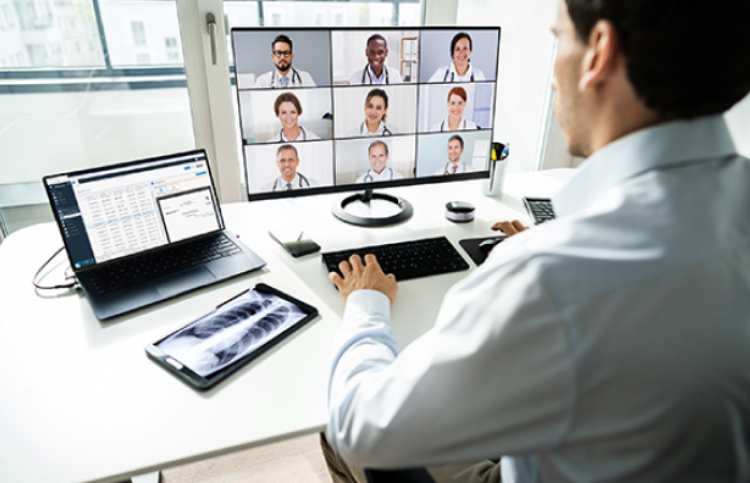
One of the essential elements of effective radiology patient engagement programs is communication. Healthcare providers must communicate effectively to educate and inform patients, build trust, and establish a good relationship with them. Providers must use clear, concise language that the patient can understand without technical jargon. Providers should use multiple communication channels such as online portals, phone calls, and online video calls to ensure that patients can communicate with them at all times, even in emergency cases. Through education and consistent communication, healthcare providers can increase patient engagement, satisfaction, and achieve better health outcomes.
The Role Of Technology In Radiology Patient Engagement Programs
Information technology is becoming an essential tool for healthcare providers, and its importance in radiology patient engagement programs is no exception. Technology allows for the development of interactive and patient-centered programs, including telemedicine consultations, electronic health records, real-time feedback, and remote patient monitoring. By employing technology, healthcare providers can overcome various barriers that patients encounter in accessing healthcare services, including geographical distances, and improve patient participation in radiology patient engagement programs. Technology also allows healthcare providers to enhance the accuracy of diagnostic imaging, reduce errors, and improve patient outcomes.
Measuring Success: Evaluating Patient Engagement Programs In Radiology
As radiology patient engagement programs continue to gain more traction, it's essential that healthcare providers measure the program's success and its impact on patients. Providers must establish metrics to measure the effectiveness of the program, which includes increasing patient participation rates, reducing patient hospital stay time, improving the effectiveness of diagnostic imaging, and boosting patient satisfaction rates. The use of surveys, patient feedback, and analysis of the program's impact on patient outcomes can help healthcare providers evaluate the program's success. By measuring the success of patient engagement programs regularly, healthcare providers can improve patient participation and satisfaction, optimize diagnostic imaging, and enable better communication with patients.
Conclusion
Patient engagement programs in radiology have become increasingly vital in improving patient outcomes and satisfaction, and healthcare providers must encourage patient participation in these programs. Through effective communication, education, and the use of technology, healthcare providers can develop patient-centered programs that empower patients, improve access to healthcare, and optimize diagnostic imaging accuracy. Healthcare providers must also evaluate the success of these programs to improve participation, satisfaction, and ultimately, patient outcomes. Encouraging patient participation in radiology patient engagement programs is critical for healthcare providers to achieve their goal of providing quality care and establishing trustworthy relationships with their patients.