
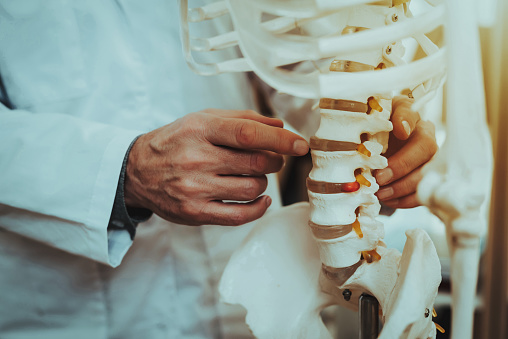
Orthopedic specialists are highly specialized physicians who provide care for patients with musculoskeletal problems. If you're experiencing pain or discomfort in one or more of your joints, it's important to seek out an orthopedic specialist as soon as possible. Here are five important things you need to know before meeting with an orthopedic specialist.
What to expect when meeting with an orthopedic specialist
When meeting with Louisiana orthopedic specialist, you should expect to undergo a physical exam and be questioned about your symptoms. The orthopedic specialist will then decide if you need an MRI or X-ray.

If you are diagnosed with a condition that requires surgery, the orthopedic specialist will advise you on the best procedure for you. He or she will also help to find the best hospital or clinic for your treatment.
Finally, the orthopedic specialist will provide you with instructions on how to receive care at home. This includes instructions on how to exercise and performs self-care activities.
What orthopedic procedures are available?
Orthopedic procedures range from simple procedures like physical therapy to more complex surgeries.
When seeking an orthopedic specialist, it is important to know what types of procedures are available. Some common orthopedic procedures include physical therapy, surgery, and rehabilitative treatments.
Physical therapy is a common treatment for injuries. It helps to improve the patient’s flexibility, strength, and range of motion. Physical therapy can also help to reduce inflammation and pain.
Surgical procedures are often necessary when the injury does not respond to physical therapy or when the injury is too severe for physical therapy to be effective. In some cases, surgery may be the only option for restoring function to an injured area. Surgical treatments may include joint replacement, knee surgery, spine surgery, and more.
Rehabilitative treatments are often used in combination with other treatments. These treatments help to restore function and mobility to an injured area. Rehabilitative treatments may include exercises, bracing, and injections.
What orthopedic equipment is needed?
When seeking an orthopedic specialist, it is important to know what orthopedic equipment is needed. Orthopedic specialists use a variety of equipment to treat injuries and illnesses. Some of the most important equipment that an orthopedic specialist may use include:
- Orthopedic braces: Orthopedic braces are used to help stabilize the bones in the body. They can be worn for long periods of time, which makes them a very effective treatment option for many types of injuries and illnesses.
- Orthopedic surgery: Orthopedic surgery is a specialized type of treatment that uses cutting and other tools to fix bones and muscles. This type of treatment is often necessary to correct serious injuries.
- Orthotic shoes: Orthotic shoes are specially designed to help relieve pain and improve mobility. They are often prescribed for people who have arthritis or other conditions that cause pain in the feet or legs.
How long does it typically take to see a doctor?
- Orthopedic specialists typically see patients within two weeks of submitting a request.
- Orthopedic specialists have a wide range of experience and are able to treat a variety of conditions.
- Orthopedic specialists typically require a referral from a doctor before they can see you.
- Orthopedic specialists typically have expertise in several areas of orthopedics, such as spine surgery, joint replacement, and foot and ankle surgery.
- Finding an orthopedic specialist can be difficult, but it is worth the effort. By consulting with several doctors, you can find an orthopedist who will provide you with the best care possible.
What are the risks and benefits of surgery?
There are many risks and benefits to surgery, but the decision of whether or not to have surgery is ultimately up to the individual. Here are some things to keep in mind when looking for an orthopedic specialist:
The risks of surgery include the possibility of complications from the surgery itself, as well as longer-term side effects. Examples of potential complications can include infection, nerve damage, and blood clots.
There are also many benefits to surgery. Surgery can help reduce pain and disability, improve mobility, and restore function. It can also help people who have suffered a serious injury get back on their feet faster.
Ultimately, the decision of whether or not to have surgery is up to the individual. However, knowing all of the risks and benefits of surgery will help you make an informed decision.
How do I choose the right orthopedic specialist for me?
When you are seeking an orthopedic specialist, it is important to choose the right one for your specific needs. There are a few things you should consider when choosing an orthopedic specialist.
First, you should make sure that the specialist has experience treating your condition. Different conditions require different treatments, and you want the orthopedic specialist to be able to treat your condition properly.
Second, it is important to find a specialist who can see you regularly. If your condition requires surgery or therapy, you will need to visit the orthopedic specialist regularly in order to maintain progress.
Finally, it is important to discuss your budget with the orthopedic specialist. You want to make sure that you are getting value for your money.